With an estimated 40% of millennials sporting at least one tattoo, proper aftercare is crucial for preserving the artistry and ensuring optimal skin health. The concise advice offered in the accompanying video provides foundational tattoo aftercare principles, yet understanding the underlying dermatological processes significantly enhances healing outcomes. Adhering to these expert guidelines helps maintain the vibrancy and integrity of your new body art for years to come.
Shielding Your Investment: The Critical Role of Sun Protection
The tattoo artist in the video correctly emphasizes staying out of the sun during the initial healing phase. Ultraviolet (UV) radiation represents a significant threat to a fresh tattoo, capable of damaging the delicate epidermal layer. During this critical period, your skin is highly vulnerable to photodamage and pigment degradation.
Exposure to direct sunlight can cause rapid fading of the ink by breaking down the pigment molecules encapsulated within the dermal layer. Moreover, UV radiation triggers inflammation and can impede the skin’s natural regeneration process, potentially leading to scarring or uneven healing. Always prioritize comprehensive sun protection for your new tattoo.
Understanding UV Damage and Pigment Fading
When UV rays penetrate the skin, they stimulate melanocytes to produce melanin, resulting in a tan. However, on a healing tattoo, these rays can also cause oxidative stress and cellular damage to the freshly tattooed skin. This damage directly impacts the stability of the tattoo pigments.
Even after the initial healing, consistent sun exposure remains the primary enemy of tattoo longevity, causing gradual but irreversible fading. Future prevention involves using a broad-spectrum sunscreen with an SPF of 30 or higher and covering the tattoo with protective clothing whenever possible. Proactive measures are essential for long-term tattoo preservation.
The Dangers of Submersion: Why You Must Avoid Swimming
The recommendation to “don’t go swimming” is another critical piece of tattoo aftercare advice. Immersing a new tattoo in water, whether it’s a pool, hot tub, lake, or ocean, introduces several serious risks. The primary concern revolves around exposure to bacteria and other pathogens that thrive in standing or shared water sources.
A fresh tattoo is essentially an open wound, making it highly susceptible to infection from contaminants. Chlorinated pools, while seemingly clean, contain harsh chemicals that can irritate the healing skin and disrupt the delicate pH balance. Natural bodies of water, such as lakes and oceans, harbor countless microorganisms that can cause severe infections.
The Risk of Waterborne Pathogens and Chemical Irritants
When a new tattoo is submerged, water can soften the scabs and pull out ink, compromising the healing process and affecting the tattoo’s final appearance. Furthermore, pathogens like *Pseudomonas aeruginosa* or *Mycobacterium marinum* found in various water environments can lead to cellulitis, abscesses, or other serious skin infections. These infections often require aggressive antibiotic treatment and can permanently disfigure the tattoo.
Even prolonged showering should be approached with caution, ensuring that the tattoo is not subjected to direct, high-pressure water streams for extended periods. Quick, gentle washes are preferable, followed by patting the area dry with a clean paper towel. Maintaining a clean and dry environment is paramount for optimal healing.
Managing the Inevitable: Strategies for Tattoo Itch
“Don’t scratch it,” the artist advises, suggesting a gentle slap instead. This guidance addresses the common and often intense itching associated with the tattoo healing process. Scratching a new tattoo can lead to several complications, including infection, ink removal, and scarring. The skin produces histamine as part of its inflammatory response, which contributes to this uncomfortable sensation.
When you scratch, you risk breaking the fragile scab or damaging the newly formed granulation tissue, which is vital for skin regeneration. Introducing bacteria from your fingernails into the open wound significantly increases the risk of infection. Furthermore, scratching can physically pull out pigment particles, resulting in patchy or faded areas within the tattoo.
Effective Methods for Alleviating Post-Tattoo Itch
Instead of scratching, gentle methods are preferred to alleviate the itch. A light, clean slap as recommended can provide temporary relief by stimulating nerve endings without causing damage. Applying a thin layer of a recommended, fragrance-free moisturizer also helps keep the skin hydrated and can reduce dryness-induced itching.
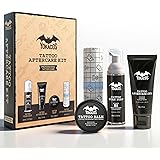
Ensuring your tattoo remains properly hydrated is crucial for minimizing severe itching. Using a high-quality aftercare balm or lotion, approved by your tattoo artist, creates a protective barrier and supports the skin’s natural repair mechanisms. If the itching becomes unbearable or is accompanied by other symptoms like excessive redness or swelling, consult your tattoo artist or a medical professional.
Beyond the Basics: Advanced Tattoo Aftercare Considerations
While the video provides essential tips, comprehensive new tattoo care extends to several other vital practices. Proper hygiene is foundational; gently wash the tattoo 2-3 times daily with an antibacterial, fragrance-free soap. Patting the area dry with a clean paper towel prevents towel fibers from sticking and reduces bacterial transfer.
Maintaining optimal hydration through consistent moisturizing is equally important. Utilize a thin layer of a specifically formulated tattoo aftercare product or a fragrance-free, non-comedogenic lotion. This helps keep the skin supple, minimizes scabbing, and promotes a smoother healing trajectory.
- **Appropriate Clothing:** Wear loose-fitting, breathable clothing over your new tattoo. Tight clothing can rub against the healing skin, causing irritation, abrasion, and potential ink loss. Natural fibers like cotton are ideal as they allow the skin to breathe.
- **Avoid Picking Scabs:** Allow any scabs that form to fall off naturally. Picking scabs interrupts the healing process and can pull out ink, leading to patchy areas or scarring.
- **Stay Hydrated and Nourished:** A well-hydrated body supports healthy skin from within. Drink plenty of water and maintain a balanced diet to provide your body with the nutrients necessary for optimal tissue repair.
- **Listen to Your Body:** Pay close attention to any unusual symptoms such as excessive redness, swelling, prolonged pain, pus, or fever. These could indicate an infection and warrant immediate professional medical attention.
Following a diligent tattoo aftercare routine is paramount for the longevity and aesthetic quality of your new body art. These practices minimize complications, enhance ink vibrancy, and ensure your tattoo heals beautifully, fulfilling its artistic potential.
Preserving Your Art: Tattoo Aftercare Q&A
Why is it important to keep my new tattoo out of the sun?
Direct sunlight can cause the ink to fade quickly and damage the delicate healing skin, potentially leading to inflammation, scarring, or uneven healing.
Can I swim or soak in water with a new tattoo?
No, you should avoid submerging a new tattoo in any water source like pools or oceans. A fresh tattoo is an open wound and highly vulnerable to infection from bacteria and harsh chemicals.
My new tattoo is itching, what should I do instead of scratching?
Instead of scratching, you can gently slap the itchy area or apply a thin layer of recommended, fragrance-free moisturizer. Scratching can cause infection, ink removal, or scarring.
How should I clean and care for my new tattoo?
Gently wash your tattoo 2-3 times daily with an antibacterial, fragrance-free soap. Pat the area dry with a clean paper towel and apply a thin layer of approved, fragrance-free moisturizer.