Ensuring proper tattoo aftercare is paramount for the longevity and vibrancy of new ink. As the video above thoroughly explains, navigating the healing process can seem complex due to varying opinions within the tattoo community; however, a structured approach is easily adopted.
For individuals investing in body art, the initial days and weeks following a tattoo session are critical. Adherence to a consistent, hygienic routine prevents complications and preserves the quality of the artwork. This detailed guide expands upon the essential steps, ensuring your new tattoo heals beautifully and remains a source of pride for years to come.
Establishing Foundational Tattoo Aftercare Principles
A set of fundamental rules underpins all effective tattoo aftercare practices. These principles are consistently applied throughout the healing journey, preventing infection and promoting optimal skin regeneration. Maintaining impeccable hygiene is universally acknowledged as a cornerstone of successful tattoo healing.
-
Always Wash Your Hands Thoroughly
Before any contact with a new tattoo, hands must be meticulously cleaned. This step prevents the transfer of bacteria and other pathogens to the open wound. Infection risk is significantly reduced when hands are sanitized with soap and water for at least 20 seconds, especially prior to washing or moisturizing the tattooed area.
-
Utilize Lukewarm Water for Cleansing
When washing a tattoo, the use of lukewarm water is consistently recommended. Both excessively cold and hot water can induce stress on the delicate skin, potentially irritating the wound or hindering the healing process. Thermal shock or dilating blood vessels excessively should be avoided to maintain skin integrity.
-
Employ a Gentle Touch During Washing
Only the hand should be used for washing a new tattoo, and the motion must be incredibly gentle. Abrasive materials, such as washcloths or sponges, are known to cause friction and damage to the healing skin. Such damage can lead to color loss or extended healing times, impacting the final appearance of the tattoo.
-
Dry Your Tattoo with Paper Towels Exclusively
For drying a freshly washed tattoo, single-use paper towels are essential. Fabric towels, conversely, can harbor bacteria even after washing and may leave lint particles embedded in the wound. Toilet paper is also unsuitable due to its tendency to shed fibers and lack the necessary absorbency for effective, gentle drying.
-
Practice ‘One Cream Per Tattoo’ for Hygiene
If multiple tattoos are acquired, a dedicated aftercare cream should be used for each individual piece. This practice is crucial for preventing cross-contamination, where bacteria from one healing tattoo could potentially be transferred to another. Maintaining separate hygiene protocols ensures each tattoo benefits from an uncontaminated healing environment.
Strategic Preparation Before Your Tattoo Session
The success of the tattoo healing process is not solely determined by post-procedure care; preparatory steps taken beforehand significantly influence outcomes. By optimizing your physical state, you contribute positively to your body’s ability to heal efficiently. Optimal preparation can reduce discomfort and aid recovery.
-
Prioritize a Full Night’s Sleep
Arriving at the tattoo studio well-rested is highly beneficial. Adequate sleep supports the body’s immune system, which is crucial for fighting off potential infections and initiating the repair processes. Conversely, fatigue can lower your pain threshold and compromise your body’s natural healing capabilities, making the session more challenging.
-
Abstain from Alcohol and Drugs
Consumption of alcohol or drugs before a tattoo appointment is strongly discouraged. Alcohol acts as a blood thinner, potentially increasing bleeding during the session and affecting ink saturation. Many drugs can also interfere with the body’s natural healing mechanisms or interact negatively with the stress of the tattooing process. Therefore, it is important to avoid any substances that may impair judgment or physical response.
-
Ensure Adequate Nutrition and Hydration
A full stomach and a well-hydrated body are critical for maintaining stable blood sugar levels and overall stamina during a long tattoo session. Bringing snacks and water is advised to prevent dips in energy, which can exacerbate discomfort or lightheadedness. Keeping the artist in mind with a favorite snack can also foster a positive session environment, a small gesture that is often greatly appreciated.
Navigating the Immediate Post-Tattoo Phase
Once the tattooing process is complete, the immediate aftercare steps are initiated. Your artist will apply a protective film, and understanding the differences between the types and their removal is crucial for the first stages of new tattoo care. The initial protection methods are designed to shield the fresh wound from environmental contaminants.
Understanding Tattoo Film Methods
Two primary methods for initial tattoo protection are widely used, each with specific instructions for removal and subsequent care. The choice of film affects the timing of your first wash and moisturizer application. Proper film management is essential for a clean and protected start to healing.
-
Traditional Cling Film: This method involves applying a basic plastic wrap over the new tattoo. It is generally recommended that cling film be removed within three to four hours. After removal, the tattoo should be gently washed with lukewarm water and a thin layer of specialized moisturizing product should be applied. A new layer of cling film can then be applied overnight, to be removed the following morning. This method primarily offers short-term protection against external elements, allowing the skin to breathe sooner.
-
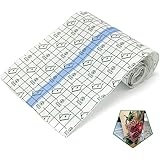
Modern Tattoo Film: Breathable and protective, modern tattoo films, such as medical-grade adhesive bandages, offer extended wear. The initial layer of this advanced film is typically left on for 24 hours. After this period, it is carefully removed, ideally in the shower under lukewarm water to ease the adhesive. A second layer of modern film can then be applied, remaining on for an additional two to three days. This type of film creates a barrier against bacteria while still allowing the skin to respire, often leading to a cleaner and less itchy healing experience during its wear.
The First Wash and Moisturize: Critical Steps
Once the initial protective film is removed, a meticulous washing and moisturizing tattoo routine begins. This process focuses on gentle cleansing and rehydration of the skin. Clean hands and a dry tattoo surface are prerequisites for applying any aftercare product effectively.
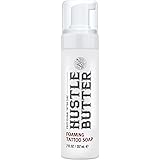
Using a specialized tattoo balm or butter is recommended; these products are formulated to support skin repair without clogging pores. A thin layer should be massaged into the tattoo in circular motions until it is absorbed. Over-moisturizing is a common mistake that can hinder oxygen access to the wound, so moderation is key.
The Core Healing Phase: Days 4-14 of Tattoo Healing Process
Following the initial protective phase, usually around day four or five, the primary tattoo healing process enters a consistent routine of washing and moisturizing. During this period, the skin actively repairs itself, and continued care is pivotal for optimal results. Consistency in this daily regimen minimizes scabbing and flaking, contributing to a smoother finish.
Consistent Cleaning and Moisturizing Routine
The cleaning procedure should not be neglected during this phase; it remains as important as moisturizing. Each application of balm or butter must be preceded by a gentle wash with lukewarm water to remove any accumulating bacteria or dead skin cells. Ensuring clean hands before touching the tattoo is a non-negotiable rule.
A thin layer of tattoo balm or butter should be applied in circular motions. The emphasis on a “thin layer” is crucial; excessive product can suffocate the skin and impede healing, potentially leading to breakouts or prolonged moisture retention which fosters bacterial growth. This meticulous routine is typically maintained for the subsequent 10 days, culminating in a roughly two-week healing period. By the end of this period, the tattoo is generally considered healed, and a transition to a lighter tattoo lotion for ongoing hydration can be made.
Long-Term Tattoo Care: Preserving Your Artwork
While the initial healing phase is critical, the care of a tattoo extends far beyond the first few weeks. Long-term tattoo aftercare is essential for maintaining the vibrancy and integrity of the artwork for a lifetime. Protecting the skin from environmental stressors preserves the quality and appearance of your tattoo.
Sustained Hydration and Sun Protection
Keeping tattoos consistently hydrated is a key aspect of long-term care. Regular use of a quality tattoo lotion helps to maintain skin elasticity and prevents dryness, which can make tattoos appear dull. Hydrated skin not only looks healthier but also showcases the tattoo’s colors more vividly.
Protection against sun exposure is equally vital. Ultraviolet (UV) rays are known to cause tattoo ink to fade prematurely and can damage the skin, accelerating the aging process. Applying a broad-spectrum sunscreen with a high SPF specifically designed for tattoos or sensitive skin is highly recommended whenever the tattoo is exposed to sunlight. This barrier safeguards against UV degradation, ensuring colors remain true and lines stay sharp over many years.
Physical Protection for Active Lifestyles
For individuals with active lifestyles or those frequently engaged in sports, additional physical protection for tattoos may be necessary. Activities that involve friction, abrasion, or potential injury to the skin can damage a tattoo, leading to scarring or distortion of the design. Such external pressures can compromise the integrity of the second skin layer where the ink resides.
Wearing protective clothing, such as long sleeves or pants, can shield tattoos from direct impact or scrapes during physical exertion. Taking proactive measures to prevent wounds or excessive irritation is a practical strategy for safeguarding your tattoo against permanent damage. Vigilance and attention to your skin’s needs are paramount in ensuring your tattoo remains beautiful for life.
Sorry Mom: Your Tattoo Aftercare FAQs
What is tattoo aftercare and why is it important?
Tattoo aftercare is the process of caring for your new tattoo to ensure it heals properly. It’s important to prevent infection and preserve the quality and vibrancy of your artwork for years to come.
What are some general hygiene rules for a new tattoo?
Always wash your hands thoroughly before touching your tattoo. Use lukewarm water and a gentle touch when washing, and dry your tattoo exclusively with single-use paper towels.
What should I do immediately after getting a new tattoo?
Your tattoo artist will apply a protective film. If it’s traditional cling film, remove it in 3-4 hours; if it’s a modern breathable film, leave it on for about 24 hours as instructed by your artist.
How should I clean and moisturize my new tattoo?
After removing the protective film, gently wash your tattoo with lukewarm water and a mild, specialized tattoo cleanser. Then, apply a very thin layer of tattoo balm or butter, massaging it in gently until absorbed, avoiding over-moisturizing.
What should I do to prepare my body before a tattoo session?
Before your tattoo appointment, ensure you get a full night’s sleep, avoid alcohol and drugs, and eat a good meal while staying well-hydrated. This helps your body maintain stamina and heal efficiently.