Ensuring a tattoo heals correctly is paramount for both its aesthetic longevity and the client’s well-being. The video above offers foundational insights into effective tattoo aftercare, but the science and art of proper healing extend far beyond initial application. For tattoo artists, understanding the nuances of aftercare protocols and being able to effectively communicate these to clients is a cornerstone of professional practice. For clients, diligent adherence to these guidelines protects a significant investment in personal art and health. This comprehensive guide delves deeper into the intricacies of tattoo aftercare, expanding on best practices and common pitfalls.
Understanding the Foundation of Proper Tattoo Healing
The journey of a tattoo begins long before the aftercare instructions are given. Often, issues with a new tattoo’s healing process are mistakenly attributed solely to aftercare. However, as noted in the video, problems like lines fading or excessive scabbing can sometimes stem from the initial tattooing technique itself. Overworking the skin, for instance, can lead to undue trauma, severe scabbing, and subsequent ink loss, regardless of how meticulously the aftercare instructions are followed.
For tattoo artists, a deep understanding of skin anatomy and proper needle depth, speed, and pressure is fundamental. Minimizing trauma during the tattooing process sets the stage for optimal healing. When a tattoo artist is confident in their technique and a client experiences healing issues, it frequently points towards aftercare compliance. This underscores the critical role of clear, comprehensive client education, ensuring every individual leaves the studio equipped with the knowledge to care for their new art.
Navigating the Evolving Landscape of Tattoo Aftercare Products
The world of tattoo aftercare has seen considerable evolution, with various products and methodologies gaining and losing favor over the years. What was once standard practice, such as the ubiquitous use of petroleum-based ointments like A&D or Aquaphor, is now often questioned by experienced professionals.
The Case Against Petroleum-Based Ointments
Traditional petroleum-based products, including A&D ointment and Aquaphor, while seemingly protective, can paradoxically create an environment conducive to infection. Their occlusive nature forms a dense barrier over the fresh tattoo. If any bacteria are present on the skin or introduced during application (often from unwashed hands), this petroleum layer can effectively trap them, creating a warm, moist breeding ground. This not only increases the risk of infection but can also impede the skin’s natural ability to breathe and heal. As the video highlights, excessive application of these products can also lead to ink being visibly “pushed out” onto paper towels during cleaning, indicating potential pigment loss rather than healthy integration.
Considering Second Skin Dressings: Saniderm and Beyond
Modern alternatives, like “second skin” adhesive bandages such as Saniderm, have gained popularity for their convenience and ability to create a sterile, moist healing environment. These breathable, waterproof films can protect the tattoo from external contaminants for several days. However, as the video’s speaker points out, these products are not without their potential drawbacks. A significant concern is the possibility of allergic reactions to the adhesive, which can manifest as redness, irritation, and even blistering around the tattooed area. Even if such reactions occur in a small percentage of clients, any compromise to the healing process makes some artists hesitant to recommend them universally. The viral “ink sacks” seen online, while often a normal collection of plasma and ink under the dressing, can also be disconcerting for clients and may indicate an over-saturation of wound exudate if not managed properly.
The Preferred Aftercare Protocol: Antibacterial Soap and Unscented Lotion
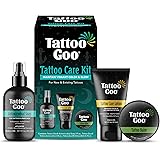
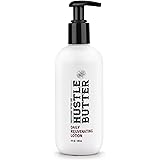
Based on extensive professional experience, a straightforward and effective aftercare regimen often involves diligent cleaning with antibacterial soap followed by regular moisturizing with an unscented lotion. This method avoids the occlusive issues of petroleum products and the adhesive concerns of second skin dressings. The goal is to keep the tattoo clean, hydrated, and exposed to air, allowing it to breathe naturally. Lubriderm, specifically an unscented version, is frequently recommended for its hydrating properties without introducing irritants or creating an overly sealed environment.
Your Day-by-Day Tattoo Aftercare Blueprint
Following a precise, consistent aftercare routine is crucial, particularly during the first two weeks of healing. This period is when the skin is most vulnerable and the tattoo is most susceptible to infection or damage.
Immediate Post-Procedure Care
Upon completion of the tattoo, the artist will typically clean the area thoroughly and apply a protective bandage. This initial wrap serves to protect the fresh wound from environmental contaminants during the crucial first hours. The video emphasizes the importance of maintaining studio hygiene, ensuring that any wrap applied prevents infection while the client is still in a controlled environment. What happens next depends on the client’s adherence to instructions.
The First Week: Cleaning and Hydration are Key
- Remove Bandage: Typically, the initial bandage should be removed after a few hours, or as instructed by your artist. Wash your hands thoroughly with antibacterial soap before touching the tattoo.
- Gentle Washing: Clean the tattoo with an antibacterial, unscented soap (such as Dial Gold or similar products). Use your clean fingertips to gently lather and wash the tattoo, removing any excess ink, blood, or plasma. Avoid abrasive cloths or sponges. The video recommends washing approximately three times a day during the initial healing phase. This frequency helps to remove bacteria and prevents the buildup of scabs, but over-washing can also lead to excessive dryness.
- Pat Dry: After washing, gently pat the tattoo dry with a clean, soft paper towel or a dedicated clean cloth. Do not rub, as this can irritate the delicate skin.
- Moisturize: Apply a very thin layer of unscented lotion, such as Lubriderm. The goal is to hydrate the skin, not to smother it. The tattoo should appear slightly shiny, not greasy or caked with lotion. Rub it in gently until absorbed. The video suggests applying lotion about six to seven times a day, or whenever the tattoo feels dry or tight. Adjust frequency based on your skin’s needs and environmental factors.
Beyond the First Week: Continued Care and Observation
Continue the washing and moisturizing routine for at least 2-4 weeks, or until the tattoo is no longer peeling or scabbing. Even after the initial healing phase, maintaining skin hydration is beneficial for the tattoo’s long-term appearance. Always be observant for any signs of infection, such as excessive redness, swelling, pus, fever, or foul odor. Consult your tattoo artist or a medical professional if concerns arise.
Navigating the Aftercare Minefield: What to Absolutely AVOID
Just as important as knowing what to do is understanding what behaviors and environments can jeopardize the healing of a fresh tattoo. Avoiding these common pitfalls significantly enhances the chances of a perfect heal and vibrant, lasting artwork.
Water Submersion: A Breeding Ground for Trouble
One of the most critical directives is to avoid submerging your fresh tattoo in water for extended periods. This means no swimming pools, hot tubs, baths, lakes, rivers, or oceans. These water sources are teeming with bacteria and other contaminants that can easily penetrate the open wound of a new tattoo, leading to severe infections. While quick showers are permissible and necessary for hygiene, ensure the tattoo is not subjected to prolonged soaking. The speaker emphasizes that “bathing and showering is okay. You just don’t want to submerge the tattoo for long periods of time because that could cause issues with healing.”
The Sun’s Harmful Rays: A Lifelong Threat to Pigment
Sun exposure is detrimental to tattoos, both fresh and healed. For a new tattoo, direct sunlight can cause significant irritation, inflammation, and potential blistering, severely impacting the healing process and increasing the risk of infection. More broadly, UV radiation, whether from natural sunlight or tanning beds, permanently damages the integrity of tattoo pigments. Even years after healing, prolonged sun exposure will cause colors to fade, blacks to dull, and fine lines to blur. This is particularly true for colored tattoos, which can lighten considerably. Always protect your tattoos with clothing or a high-SPF, broad-spectrum sunscreen once fully healed. For fresh tattoos, complete avoidance of direct sun is non-negotiable.
Pets and Their Unintended Dangers
While beloved companions, pets can pose a significant threat to a healing tattoo. Animal dander, fur, and saliva carry bacteria that can easily introduce infection into an open wound. The video specifically mentions pets rubbing against or scratching a fresh tattoo, which can cause direct physical damage. A single, deep scratch can permanently scar the tattooed area, leaving an unsightly mark that compromises the artwork. Maintain a safe distance between your new tattoo and your furry friends, especially during their playful moments, until the skin has fully closed and healed.
Tight Clothing and Friction: Unnecessary Trauma
Friction from tight clothing can irritate a fresh tattoo, remove scabs prematurely, and even rub away ink, leading to patchy healing and the need for touch-ups. Materials like denim or stiff fabrics can constantly abrade the delicate skin. Loose-fitting, breathable clothing, preferably cotton, is recommended, especially for tattoos on areas like the legs, arms, or torso. Allowing air circulation also aids in the healing process and reduces the risk of moisture buildup that can encourage bacterial growth. The constant agitation can cause “extra trauma to the skin,” as highlighted in the video, hindering optimal tattoo healing.
Social Media Trends: Slapping and Touching
The speaker vehemently warns against harmful social media trends, such as friends slapping a fresh tattoo or couples pressing newly tattooed areas together for pictures. The myth that slapping “sets the ink” is not only baseless but dangerous. Unwashed hands carry myriad bacteria, making a slap a direct invitation for infection. Similarly, pressing two fresh tattoos together, even between intimate partners, transfers bacteria and potentially other pathogens from one person’s open wound to another’s. The risk of cross-contamination and infection is extremely high. Prioritize hygiene and health over fleeting social media aesthetics.
Troubleshooting Common Healing Hurdles
Despite best efforts, some issues can arise during the tattoo aftercare process. Knowing how to address them appropriately can prevent minor setbacks from becoming major problems.
Dealing with Excessive Dryness and Scabbing
If a tattoo becomes excessively dry or develops hard, thick scabs, it can be a sign of insufficient hydration, excessive friction, or minor trauma. While some light scabbing and peeling are normal, very thick or hard scabs can pull out ink when they fall off. The video offers a practical solution: a salt bath. This involves soaking the affected area in warm, salted water. The warm water helps to soften the hardened skin and scabs, while the salt can aid in gentle cleansing. After a short soak, the scabs can be very lightly and carefully rubbed to loosen them, followed by rehydrating the skin with unscented lotion. This method aims to gently encourage the natural exfoliation of the skin without causing additional trauma or pulling out pigment. It’s crucial not to pick or force off scabs, as this will inevitably damage the tattoo and lead to scarring or ink loss.
The Unseen Influences: Client Education and Peer Pressure
A significant challenge for tattoo artists is ensuring clients adhere to aftercare instructions, especially when confronted with conflicting advice from friends or online sources. The video’s speaker highlights the common mistake of clients listening to friends over their artist. This underscores the need for clear, confident communication from the artist. Providing printed aftercare sheets, coupled with a thorough verbal explanation, reinforces the importance of the artist’s specific, proven protocol.
Emphasizing the artist’s expertise, cultivated over “years of tattooing,” can help establish authority. Offering free touch-ups only if the client follows the provided instructions can also incentivize compliance, directly linking the quality of the healed tattoo to responsible aftercare. This approach not only protects the artist’s reputation but also ensures the client’s investment in their body art is safeguarded.
The Long-Term Vision: Lifelong Care for Your Tattoo
While the intensive aftercare phase concludes after a few weeks, the care for a tattoo is a lifelong commitment. The primary goal is to maintain the vibrancy and integrity of the pigment within the skin. Continued hydration with a good quality, unscented moisturizer helps keep the skin supple and the tattoo looking fresh. Most importantly, consistent sun protection is non-negotiable. Even fully healed tattoos are vulnerable to UV damage. Daily application of a broad-spectrum sunscreen with an SPF of 30 or higher, or keeping tattoos covered with clothing, is the most effective way to prevent fading and maintain the crispness of the artwork for decades to come. This ongoing commitment ensures that the initial dedication to proper tattoo aftercare yields beautiful, lasting results.
Ensuring a Perfect Heal: Your Questions Answered
What is the main goal of tattoo aftercare?
The main goal of tattoo aftercare is to ensure your new tattoo heals correctly, prevent infection, and keep its colors vibrant for lasting beauty.
What products are generally recommended for new tattoo aftercare?
It’s recommended to use an antibacterial, unscented soap for gentle cleaning and a thin layer of unscented lotion, like Lubriderm, for moisturizing.
What common products should I avoid using on my new tattoo?
You should avoid thick petroleum-based ointments such as A&D or Aquaphor, as they can trap bacteria and prevent the tattoo from breathing. Also, be cautious with ‘second skin’ dressings if you have sensitive skin or develop a reaction.
What are some important activities or environments to avoid with a new tattoo?
Avoid submerging your tattoo in water like pools or baths, direct sun exposure, allowing pets to touch or rub against it, and wearing tight clothing that could cause friction.
How often should I clean and moisturize my new tattoo during the first week?
During the first week, you should gently wash your tattoo with antibacterial soap about three times a day and apply a very thin layer of unscented lotion whenever it feels dry, usually six to seven times a day.