The journey of acquiring new body art is often accompanied by an eagerness to showcase the finished piece. However, the period immediately following a tattoo session, known as **tattoo aftercare**, is arguably the most critical phase for preserving the artwork’s integrity and ensuring optimal dermal recovery. As succinctly highlighted in the accompanying video, several common **tattoo aftercare mistakes** are frequently observed, which can jeopardize the healing process and compromise the aesthetic outcome. A deeper understanding of these pitfalls and the biological mechanisms behind them is essential for anyone committed to safeguarding their investment in body art.
The Perils of Occlusive Dressings and Physical Activity
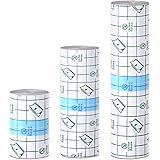
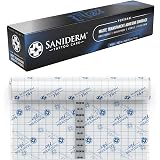
Modern tattoo aftercare frequently involves the application of advanced occlusive dressings, commonly referred to by brand names such as Tegaderm, Saniderm, or simply “second skin.” These adhesive films are engineered to provide a sterile, moist healing environment, which is highly conducive to faster epidermal regeneration and reduced scabbing. The primary function of these dressings is to create a barrier against external contaminants while allowing the skin to breathe minimally and retain essential moisture.
However, a significant misstep, as identified by tattoo professionals, is engaging in strenuous physical activity while these occlusive dressings are in place. During exercise, the body’s thermoregulatory system activates, leading to an increased production of sweat. This sweat, primarily composed of water, salts, and metabolic byproducts, becomes trapped beneath the impermeable layer of the dressing. Consequently, a warm, moist, and nutrient-rich environment is established, which serves as an ideal breeding ground for microbial proliferation.
The introduction and rapid multiplication of microorganisms within this enclosed space significantly elevate the risk of bacterial infection. Such infections can manifest as redness, swelling, excessive pain, pus formation, and in severe cases, systemic reactions. Furthermore, an infection can lead to significant damage to the newly tattooed skin, potentially causing uneven healing, scarring, and irreversible pigment loss. Therefore, it is strongly advised that individuals abstain from vigorous exercise for the entire duration the occlusive dressing is worn, typically for up to five days, or as specifically instructed by their tattoo artist.
Understanding Premature Removal of Protective Barriers
Another prevalent error in **new tattoo aftercare** involves the premature removal of these same occlusive dressings. The initial phase of tattoo healing involves the exudation of plasma, blood, and lymphatic fluid from the wound. Under an occlusive dressing, this exudate forms a protective serum layer that aids in cellular regeneration and keeps the wound bed moist, preventing crusting.
When the Saniderm or similar product is removed before the recommended wear time has elapsed, the delicate, newly formed epidermal cells may not have sufficiently adhered to the underlying dermal layers. The adhesive properties of the dressing, while designed to be gentle, can inadvertently disrupt this nascent epidermal layer upon premature detachment. This disruption is often what is colloquially referred to as “pulling the ink.” While the deeply deposited pigment in the dermal layer is unlikely to be literally pulled out, the premature removal can dislodge developing scabs or compromise the fragile, regenerating skin. Such actions can lead to uneven healing, patchy pigment retention, or even introduce secondary trauma, increasing susceptibility to infection.
Optimal results are typically observed when the dressing is allowed to remain in place for the full duration recommended by the artist, which commonly ranges from three to five days. This duration permits sufficient time for the initial inflammatory response to subside and for a stable epidermal barrier to begin forming, ensuring the integrity of the fresh tattoo during the most vulnerable stage of **tattoo healing**.
Navigating Moisturizer Application: The Science of Hydration
The application of moisturizer is an integral component of **aftercare practices**, yet its misuse is a frequent source of complications. Many individuals incorrectly assume that more lotion translates to better healing, leading to an excessive application frequency, sometimes “four or five times a day,” as noted. This approach is counterproductive and can detrimentally affect the healing process.
The purpose of a tattoo-specific moisturizer is to hydrate the skin, reduce trans-epidermal water loss, and support the skin’s barrier function as it heals. However, when moisturizer is applied too thickly or too often, it can create an overly saturated, occlusive layer on the skin’s surface. This excess moisture prevents the wound from adequately aerating, which is crucial for healthy scab formation and subsequent shedding. Instead, the skin can become waterlogged and macerated, creating an environment that is not only susceptible to bacterial and fungal growth but can also impede the natural drying and shedding of superficial skin layers.
Furthermore, over-moisturizing can contribute to the formation of thick, persistent scabs that remain attached for extended periods. These overly hydrated scabs are more prone to cracking, peeling prematurely, or becoming dislodged, potentially taking pigment with them. The ideal approach involves applying a thin, breathable layer of fragrance-free, non-comedogenic moisturizer one to two times daily, only after the tattoo has been gently cleansed and thoroughly air-dried. The key is to provide just enough hydration to keep the skin supple without suffocating the healing tissue or creating an environment conducive to pathogen proliferation, ensuring the longevity and vibrance of the **healing tattoo**.
Troubleshooting Your Tattoo Aftercare: Q&A
What is tattoo aftercare?
Tattoo aftercare is the crucial period after getting a tattoo, focused on preserving the artwork’s quality and ensuring your skin heals correctly.
Why shouldn’t I work out while wearing an occlusive dressing like Saniderm or Tegaderm?
Exercising with these dressings traps sweat, creating a warm, moist environment that can lead to rapid bacterial growth and increase the risk of infection.
Is it okay to remove my protective tattoo dressing (like Saniderm) before the recommended time?
No, removing it too early can disrupt newly formed skin cells and lead to uneven healing, patchy pigment, or increase the chance of infection.
How much lotion should I use on my new tattoo?
Apply a thin, breathable layer of fragrance-free moisturizer just once or twice daily after gently cleansing and thoroughly air-drying your tattoo. Using too much can hinder healing.