Mastering New Tattoo Aftercare: A Comprehensive Guide to Healing Your Ink
Embarking on the journey of getting a new tattoo is exciting, and watching your design come to life is a thrilling experience. However, the quality and longevity of your body art significantly depend on diligent aftercare. The video above offers a fantastic glimpse into the immediate steps you should take to heal your tattoo properly, emphasizing crucial initial practices. This comprehensive guide builds upon those essential insights, delving deeper into each stage of the healing process to ensure your tattoo remains vibrant and healthy for years to come.
Proper tattoo aftercare is not just about avoiding infection; it is about creating an optimal environment for your skin to recover while preserving the integrity of the ink. Many factors influence how well a tattoo heals, including your artist’s technique, the tattoo’s placement, and your body’s individual healing capabilities. By understanding and implementing the right aftercare routine, you can significantly improve your healing outcome and protect your investment in wearable art.
The Critical First Hours: Protecting Your Fresh Tattoo
After your tattoo artist finishes their work, they will typically cover your new tattoo with a protective barrier. This initial wrapping, often cling wrap or a medical-grade absorbent pad like a dry lock pad, plays a vital role in the immediate healing process. This covering acts as a shield, protecting the open wound from environmental contaminants, bacteria, and friction that could irritate the fresh tattoo.
As the video suggests, leaving this initial wrap on for as long as possible is beneficial, with an average recommendation ranging from 2 to 8 hours, though some artists might advise longer depending on the specific wrap used. During this time, your body begins its natural healing response, releasing plasma, blood, and excess ink. This mixture can often look messy when you remove the wrap, which is completely normal. The purpose of this initial covering is to contain this exudate and prevent it from drying out prematurely, which could hinder healing.
Your First Wash: Gentle Cleansing is Key
Once the initial wrap comes off, the first wash is perhaps the most important step in establishing a clean healing environment for your new tattoo. You want to approach this with utmost care, as the skin is still very tender and vulnerable. The video correctly highlights the importance of using a fragrance-free antibacterial soap and warm water, specifically mentioning Dial soap as a popular and effective choice, though any unscented antibacterial soap will suffice.
Before you even touch your tattoo, thoroughly wash your hands with soap and water to prevent transferring any bacteria. Then, gently lather the antibacterial soap in your clean hands and carefully apply it to the tattoo using soft, circular motions. Avoid scrubbing or using abrasive materials, as this can damage the sensitive skin and disrupt the healing process. The warm water helps to open up the pores slightly, allowing for a more effective cleanse and aiding in the removal of any lingering plasma, blood, or ink from the surface of the skin.
Drying Your Tattoo: The Right Way to Finish
After a thorough wash, drying your new tattoo requires specific attention to detail. The speaker in the video wisely advises against using a cloth towel and instead recommends patting it dry with a clean paper towel or allowing it to air dry. This recommendation stems from several important reasons. Cloth towels, even freshly laundered ones, can harbor bacteria and lint, which can easily transfer to your open wound and potentially cause infection or irritation.
A clean paper towel provides a sterile and lint-free option for drying, gently absorbing moisture without causing friction or abrasion. Air drying is another excellent choice, especially if you have the time, as it minimizes direct contact with the tattoo. You might notice some continued oozing or a slight sheen as the tattoo air dries, which is entirely normal. Expect some mild swelling in the area, particularly in the first 24-48 hours, as your body initiates its inflammatory healing response.
The Innovation of Second Skin for Enhanced Tattoo Healing
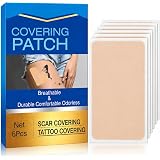
The introduction of “second skin” products like Derm Shield, Saniderm, or Tegaderm has revolutionized tattoo aftercare. These medical-grade adhesive bandages create an optimal moist wound healing environment, offering significant advantages over traditional healing methods. The video speaker attests to its efficacy, noting that it keeps the tattoo exceptionally clean and can reduce overall healing time. This is because these breathable, waterproof films essentially act as a protective layer, mimicking the skin’s natural barrier.
These specialized dressings allow the skin to breathe while preventing bacteria from entering and sealing in the body’s natural healing fluids, such as plasma and lymphatic fluid. By maintaining a moist environment, second skin prevents the formation of hard scabs, which can often pull ink out of the skin when they eventually fall off. Instead, a softer, thinner layer of healing tissue forms underneath the film, promoting better ink retention and a smoother healing process. The speaker’s method of cutting the Derm Shield into multiple pieces for a hand tattoo highlights its versatility and adaptability to challenging body contours, ensuring full coverage and protection.
Benefits of Using Second Skin for Your Tattoo
- **Superior Protection:** It acts as a robust barrier against bacteria, dirt, and friction, significantly reducing the risk of infection.
- **Moist Healing Environment:** By locking in the body’s natural fluids, it supports optimal cell regeneration and prevents scabbing, which often leads to better ink retention.
- **Reduced Healing Time:** The moist environment can accelerate the cellular repair process, potentially shortening the overall healing period.
- **Comfort and Convenience:** These films are flexible and waterproof, allowing you to shower and go about your daily activities with greater ease and without constant reapplication of lotions.
- **Less Itching and Scabbing:** By preventing hard scabs, second skin minimizes the intense itching often associated with traditional dry healing, making the experience more comfortable.
Continuing Your Tattoo Aftercare Journey: Beyond the Initial Stages
While second skin offers excellent initial protection, your tattoo aftercare journey extends beyond its removal. Typically, the first application of second skin stays on for 24 hours, after which you’ll clean the tattoo and apply a fresh piece for up to 3-5 days. Always follow your artist’s specific instructions regarding the duration of wear and how to remove it gently, often under warm running water to loosen the adhesive. After the second skin phase, your tattoo will enter the moisturizing stage.
At this point, continue washing your tattoo 1-2 times daily with a fragrance-free antibacterial soap. Once clean and dry, apply a very thin layer of fragrance-free moisturizer specifically designed for tattoo aftercare, or a basic unscented lotion like Eucerin or Aveeno. The key is to moisturize just enough to keep the skin hydrated, not saturated, allowing it to breathe. Over-moisturizing can suffocate the tattoo and lead to issues like clogged pores or delayed healing.
What to Avoid During Tattoo Healing
To ensure optimal tattoo healing, several things must be strictly avoided during the entire aftercare period, which can last 2-4 weeks or even longer for larger pieces. Firstly, refrain from picking or scratching any flakes or scabs that might form; doing so can pull out ink and lead to scarring. Avoid prolonged sun exposure, as UV rays can damage the healing skin and fade the ink; if unavoidable, cover your tattoo with loose clothing.
Furthermore, do not submerge your new tattoo in baths, swimming pools, hot tubs, or any standing water. These environments are breeding grounds for bacteria and can easily lead to infection. Quick showers are fine, but keep the tattoo out of direct, high-pressure water spray. Intense exercise that causes excessive sweating or friction on the tattooed area should also be limited in the initial healing phase to prevent irritation and infection. Maintaining proper tattoo aftercare significantly contributes to the overall appearance and longevity of your body art, making the effort truly worthwhile.
Healing Ink: Your Aftercare Q&A
What should I do right after getting a new tattoo?
Your tattoo artist will cover your new tattoo with a protective wrap. Leave this covering on for 2 to 8 hours, or as long as your artist advises, to protect the fresh tattoo from contaminants and allow initial healing fluids to collect.
How do I properly clean my new tattoo?
After removing the initial wrap, gently wash your tattoo with clean hands, warm water, and a fragrance-free antibacterial soap, like Dial. Use soft, circular motions to clean the area and remove any lingering plasma, blood, or ink.
What’s the best way to dry my new tattoo after washing it?
You should pat your tattoo dry with a clean paper towel, or allow it to air dry completely. Avoid using cloth towels, as they can harbor bacteria and lint that might irritate the healing skin.
What is ‘second skin’ and why might I use it for my tattoo?
‘Second skin’ products like Derm Shield are medical-grade adhesive bandages that create a moist healing environment for your tattoo. They protect against bacteria, prevent hard scabbing, and can potentially speed up the healing process.
What should I avoid doing while my new tattoo is healing?
Avoid picking or scratching your tattoo, prolonged sun exposure, and submerging it in baths, swimming pools, or hot tubs. Also, limit intense exercise that could cause excessive sweating or friction on the tattooed area.