The journey of acquiring a new tattoo is undoubtedly exciting, but the subsequent aftercare period can often introduce a degree of anxiety, especially concerning how to manage your fresh ink overnight. Conflicting advice, coupled with genuine concerns about potential damage or infection, frequently leaves many individuals feeling overwhelmed. However, by understanding the science behind skin healing and implementing practical, informed strategies, the challenges associated with sleeping with a new tattoo can be significantly mitigated.
This comprehensive guide, building upon the valuable insights shared in the video above, aims to demystify nighttime aftercare. It will provide actionable steps and scientific explanations to ensure your fresh tattoo heals optimally, allowing for peace of mind while you sleep.
The Science of Sleep and Tattoo Healing
Understanding what happens to your skin during the nocturnal hours is foundational to effective tattoo aftercare. While you rest, your body diligently works to repair and regenerate, and this process is particularly crucial for a new tattoo, which is essentially an open wound.
Circadian Rhythms and Cellular Repair
Firstly, it is important to consider your body’s innate biological clock, known as the circadian rhythm. This internal system regulates various physiological processes, including the skin’s repair cycles. Studies indicate that around midnight, irrespective of your sleep state, cellular division and renewal rates in the skin significantly increase.
This period is when the skin is most active in repairing damage and facilitating healing. Consequently, ensuring your body is adequately fueled for this crucial regeneration is paramount. Proper hydration before bedtime, for instance, is observed to be highly beneficial, especially when a new tattoo is in the process of healing.
Navigating Transepidermal Water Loss (TEWL)
Secondly, attention should be given to a phenomenon called transepidermal water loss (TEWL), which is distinct from sweating. Unlike sweat, which originates from glands to cool the body, TEWL refers to the passive evaporation of water from the skin’s surface. A significant portion of this water loss, approximately 300 to 400 milliliters per day, typically occurs from areas like the palms of the hands and soles of the feet.
During the night, the skin generally produces less natural oil, which can lead to reduced moisture levels. Products such as lotions and specialized tattoo ointments are often utilized to create an occlusive barrier, thereby helping to reduce TEWL and maintain skin hydration. While TEWL is a normal bodily function, minimizing excessive moisture loss is beneficial for the healing tattoo.
The Acidic Advantage for Wound Healing
Furthermore, one might observe a beneficial shift in skin conditions during sleep. As the body warms up and blood flow to the skin increases, the skin’s pH level tends to lower, becoming slightly more acidic. A 2015 meta-study, among other research, has indicated that a mildly acidic environment can actively promote the healing of skin wounds. This natural physiological change provides a conducive environment for tattoo recovery.
It is also interesting to note that wounds sustained during daylight hours have been shown to heal more quickly than those incurred at night. This suggests that while nighttime is a period of repair, scheduling your tattoo session for an early afternoon slot, if possible, might offer a slight advantage in the initial healing phase. This subtle timing consideration could potentially contribute to an optimized healing trajectory.
Essential Nighttime Practices for Traditional Tattoo Aftercare
For those opting for traditional tattoo aftercare methods, a few straightforward practices can significantly enhance the healing process and minimize common anxieties. It is often believed that elaborate precautions are necessary, but simplicity and consistency are typically key.
The Role of Ointment and Clean Sheets
Firstly, the application of a thin layer of specialized tattoo ointment serves as a protective barrier over your fresh ink. This ointment is designed to keep the tattoo moisturized and shield it from external contaminants. If some of the ointment is found on your sheets in the morning, this indicates that it has performed its intended function, acting as a sacrificial layer against environmental elements.
Consequently, it is advisable to use clean bed sheets that you do not mind potentially staining. Fresh tattoo ink, being highly concentrated pigment, can bleed onto fabric, and these marks are often permanent. Darker sheets or old linens are therefore recommended to prevent discoloration of cherished bedding.
Sleeping Positions and Movement Concerns
Secondly, concerns about maintaining a specific sleeping position throughout the night are frequently expressed by individuals with new tattoos. While it is beneficial to minimize direct pressure on the tattooed area, controlling one’s movements during sleep is largely impractical. The body naturally shifts and adjusts positions without conscious effort.
It is generally understood that minor contact with sheets or incidental movement will not detrimentally impact the healing process. The focus should be placed on ensuring the tattoo is clean and moisturized before bed, allowing the body’s natural healing mechanisms to proceed without excessive worry over sleep posture.
When a Dry Tattoo Isn’t the End of the World
Furthermore, an occasional instance of the tattoo drying out slightly overnight, or even a light scratch, is usually not cause for alarm. A fresh tattoo is a resilient wound, not an excessively delicate object that will be ruined by minor imperfections in aftercare. The human body possesses remarkable healing capabilities.
While consistent moisturizing and protection are ideal, isolated incidents of minor dryness or accidental contact are typically managed effectively by the skin’s regenerative processes. Over-analysis of every minor event can often lead to unnecessary stress, which is itself counterproductive to healing.
Safeguarding Your Tattoo from Pet-Related Risks
For individuals who share their living space, particularly their bed, with beloved pets, an additional layer of consideration is introduced to nighttime tattoo aftercare. While pets offer companionship, they can also present unique challenges when healing an open wound.
Understanding the Bacterial Threat from Pets
Firstly, the primary concern when pets are involved is the potential for bacterial contamination. Unlike mere dust or dander, which are generally harmless to a healing tattoo, pets can carry a significant number of bacteria. It is estimated that approximately 30 different kinds of bacteria can be directly transferred from pets to humans.
While serious infections like MRSA are rare and typically require transfer from another human, common household bacteria pose a more direct threat to a fresh, open wound. A loving lick from a pet that has been exploring the outdoors or even just around the house could introduce harmful microorganisms directly to the vulnerable tattoo site, increasing the risk of infection. Although less common, pets can also transmit conditions such as ringworm (a fungal infection), hookworm (an actual parasitic worm), scabies, or even the more exotically named Rocky Mountain Spotted Fever, making bacterial prevention paramount.
Protective Measures for Pet Owners
Secondly, a highly effective and recommended strategy for pet owners is to wrap the new tattoo securely before going to bed. This involves using a clean piece of plastic wrap, such as kitchen cling film, held in place with medical tape. This barrier provides robust protection against pet contact, including licking, shedding, and accidental brushes.
In the morning, the wrap can be carefully removed, and the tattoo should then be washed thoroughly with antibacterial soap and moisturized as part of the usual aftercare routine. This simple measure dramatically reduces the risk of bacterial transfer from affectionate pets, ensuring the tattoo remains in a sterile environment during the most vulnerable hours.
Creating a Safe Sleep Environment
Furthermore, maintaining a generally clean environment is always beneficial. Regular washing of pet bedding and your own sheets helps reduce overall bacterial load. For particularly enthusiastic or persistent pets, temporarily restricting their access to the bed or even the bedroom during the initial healing phase may be considered. This measure, while potentially inconvenient, provides the highest level of protection against pet-related contamination. The goal is to create a peaceful and hygienic space conducive to undisturbed tattoo healing.
Beyond Traditional Aftercare: Dietary Support and Modern Dressings
While external care is vital, the body’s internal health also plays a significant role in how efficiently a tattoo heals. Furthermore, advancements in tattoo aftercare technology offer alternative solutions to traditional methods.
Nutritional Support for Optimal Skin Healing
Firstly, dietary choices can profoundly impact skin health and, consequently, the healing of a new tattoo. Substances like flavanols and procyanidins, found abundantly in cocoa and certain wines respectively, have been shown to offer several benefits. These compounds are known to improve skin hydration, reduce transepidermal water loss (TEWL), enhance blood flow to both cutaneous and subcutaneous tissues, and even decrease sensitivity to UV light.
Therefore, while not a mandatory part of aftercare, incorporating foods rich in these compounds, alongside a diet rich in general wound-healing nutrients like Vitamin C, Zinc, and protein, can support the body’s natural repair processes. Maintaining overall hydration by drinking plenty of water is also universally recommended for healthy skin and efficient healing.
The Convenience of Medical-Grade Adhesives
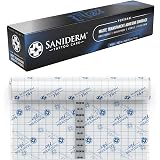
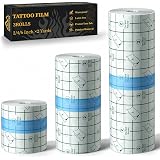
Secondly, modern tattoo aftercare has been revolutionized by the introduction of medical-grade adhesive dressings, such as Tegaderm or Saniderm. These products are designed to act as a “second skin,” adhering directly to the fresh tattoo and creating a sterile, moist healing environment. Once applied correctly by a tattoo artist, these dressings can typically remain on for several days, significantly simplifying the aftercare process.
The use of such a dressing completely eliminates many of the traditional nighttime concerns, including ointment transfer to sheets, pet contamination, and the need for nightly re-wrapping. The tattoo is protected and allowed to heal undisturbed beneath the breathable, waterproof membrane. For those seeking a less hands-on approach to nighttime tattoo aftercare, these advanced dressings offer a highly convenient and effective solution.
In conclusion, while concerns surrounding **sleeping with a new tattoo** are entirely valid, understanding the physiological processes at play and applying practical, evidence-based aftercare strategies can significantly ease worries. Whether opting for traditional ointment-based methods or modern adhesive dressings, the key lies in maintaining cleanliness, ensuring adequate hydration, and protecting the fresh ink from unnecessary contamination, especially if pets are part of the household. With proper care, the healing journey can proceed smoothly, resulting in a beautifully preserved tattoo.
Post-Ink Pillow Talk: Your Aftercare Q&A
Why is it important to take special care of a new tattoo at night?
Your body does a lot of healing and regeneration while you sleep. Proper nighttime aftercare helps support this process and protects your fresh tattoo from damage or infection.
What should I do for my new tattoo before I go to bed?
You should apply a thin layer of specialized tattoo ointment to keep it moisturized and protected. It’s also a good idea to use clean bed sheets, especially ones you don’t mind potentially staining.
Can my pets sleep with me if I have a fresh tattoo?
Pets can carry bacteria that might infect your fresh tattoo. It’s best to securely wrap your tattoo with plastic wrap and medical tape or temporarily restrict your pet’s access to your bed or bedroom.
What if I accidentally move in my sleep or my tattoo feels a little dry in the morning?
Don’t worry too much about minor movements or slight dryness; your body is resilient. While consistent care is ideal, small incidents usually won’t ruin the healing process.
Are there other options besides ointment for protecting a new tattoo overnight?
Yes, medical-grade adhesive dressings like Tegaderm or Saniderm can be applied by your artist. These act as a ‘second skin’ and can stay on for several days, protecting the tattoo without nightly re-wrapping.