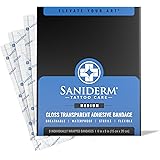
Picture this: you’ve just left the tattoo studio, sporting a fresh, vibrant piece of art, perfectly protected by a “second skin” bandage. The excitement is palpable, but then a question arises, nagging at the back of your mind: “How long exactly should this Saniderm stay on my new tattoo?” It’s a common dilemma, as our expert in the video above highlights. The initial instructions can feel a bit murky, leading many to wonder if they should leave it on for a full week, or if a quicker change is necessary. Understanding the proper Saniderm application process is critical for optimal healing and to safeguard your investment.
The journey to a perfectly healed tattoo begins with meticulous aftercare. While Saniderm and similar transparent adhesive films have revolutionized the healing process, their effectiveness hinges entirely on correct usage. Let’s delve deeper into the nuanced instructions, expanding on the insights provided in the video, to ensure your new ink heals flawlessly.
Decoding Saniderm: The Initial Application
When it comes to applying Saniderm, precision and timing are paramount. The representative in the video advises an application within 30 to 45 minutes of your tattoo session concluding. This specific window is not arbitrary. It allows the initial oozing and bleeding to subside while the skin is still clean and less prone to swelling. Applying the bandage too early might trap excessive fluid, whereas waiting too long could expose the fresh wound to environmental contaminants, potentially compromising the sterile barrier.
Saniderm creates a breathable, protective barrier, shielding your fresh tattoo from bacteria, dirt, and friction. This semi-permeable film allows the skin to breathe and release excess moisture vapor, yet it prevents external contaminants from entering. It essentially mimics the natural healing environment, promoting faster recovery and reducing the risk of infection. Conversely, improper application or delayed use can undermine these benefits, leading to complications or a less-than-ideal heal.
The First 24 Hours: What to Expect Under Your “Second Skin”
The first 24 hours with Saniderm on your new tattoo can be a little unnerving for the uninitiated. As the Saniderm expert explained, it’s quite normal for the first piece to collect some blood, plasma, and excess ink. This accumulation might look “kind of gross,” but it’s a completely natural part of the initial healing response. The body releases plasma, a yellowish fluid rich in proteins and antibodies, to clean the wound and initiate clotting. Lymphatic fluid, another clear to yellowish liquid, also plays a role in removing waste products.
This trapped fluid creates a moist healing environment, which is beneficial for wound care as it prevents scab formation and promotes cellular regeneration. However, this fluid-filled environment is only optimal for a limited time. For this reason, the first sheet should be worn for precisely up to 24 hours. Prolonged exposure to this mixture of bodily fluids and ink beyond the recommended timeframe can create an anaerobic environment, potentially fostering bacterial growth or causing skin irritation. Data from extensive tattoo aftercare studies consistently supports this 24-hour initial wear period for best results.
Removing and Cleaning Your New Tattoo
At the 24-hour mark, it is time for the careful removal of the initial Saniderm sheet. While the film is designed to adhere securely, it can be gently stretched from one edge to peel it away from the skin, similar to removing a strong adhesive bandage. Pulling parallel to the skin, rather than straight up, can minimize discomfort and prevent irritation to the delicate new tattoo.
Once removed, the tattoo needs a thorough yet gentle cleaning. The video correctly advises using a mild antibacterial soap. Harsh soaps with strong fragrances or exfoliants can irritate the sensitive skin and compromise the healing process. A gentle, unscented antibacterial soap effectively removes any remaining plasma, blood, and ink without stripping the skin of its natural moisture barrier. Wash the entire area with clean hands, ensuring all residue is gone, then rinse thoroughly with lukewarm water.
Drying the tattoo properly is just as crucial. You have two options: patting it dry with a clean paper towel or allowing it to air dry. Using a clean paper towel is often preferred over a cloth towel, as cloth towels can harbor bacteria and lint. Whichever method you choose, ensure the skin is completely dry before proceeding. Any residual moisture can prevent the subsequent Saniderm sheet from adhering properly and might create an environment conducive to bacterial growth underneath the film.
Reapplying Saniderm: The Longer Wear Phase
After the meticulous cleaning and drying, the second Saniderm sheet can be applied. This piece typically stays on for a significantly longer duration. According to the video, if the tattoo does not continue to weep significantly, this second sheet can be worn for up to six days. This longer wear period is where Saniderm truly shines, allowing the tattoo to heal undisturbed, protected from the daily aggressions of clothing and environment.
During these six days, the tattoo continues its intensive healing process. The skin works to close the micro-wounds, regenerate cells, and solidify the ink within the dermis. The semi-permeable nature of Saniderm continues to provide a breathable, moist environment that supports this cellular activity. However, monitoring the tattoo for any signs of continued weeping is essential. If you notice fluid accumulation under this second sheet, it indicates that the healing is not progressing as smoothly, or that the tattoo is still expelling excess plasma and ink.
When Weeping Persists: The Third Application
Should the tattoo weep into the second piece, necessitating its removal, a third sheet of Saniderm can be applied. The Saniderm representative suggests this third piece can be worn for up to five days. This contingency plan ensures that even if your tattoo is a heavier “weeper” than average, you can still leverage the benefits of a protective barrier for an extended period.
It’s important to remember that not all tattoos heal identically. Factors like tattoo size, placement, saturation, and individual body chemistry can influence the amount of weeping and overall healing time. If you find yourself needing a third application due to persistent weeping, ensure the cleaning and drying process is as thorough as ever. If weeping continues even after the third application, or if you notice excessive redness, swelling, unusual pain, or pus, it’s crucial to switch to traditional aftercare methods (uncovered, moisturized, washed regularly) and consult your tattoo artist or a healthcare professional immediately. These could be early indicators of irritation or infection.
Beyond the Application: Essential Saniderm Aftercare Tips
While the step-by-step application process is fundamental, maximizing the benefits of Saniderm involves a holistic approach to aftercare. Here are some additional considerations:
- Keep it Clean: Even with Saniderm, maintaining general hygiene is important. Showering is fine, but avoid prolonged soaking in baths, hot tubs, or swimming pools, as these can compromise the adhesive and introduce bacteria.
- Avoid Sun Exposure: Direct sunlight is detrimental to healing tattoos and can fade new ink. Keep your Saniderm-covered tattoo out of the sun or covered with loose clothing.
- Listen to Your Body: If the Saniderm causes itching, redness around the edges, or any allergic reaction, remove it immediately. Some individuals may have sensitivities to medical adhesives.
- Stay Hydrated and Healthy: A well-hydrated body with a robust immune system heals more efficiently. Drink plenty of water and maintain a balanced diet.
- Understand the Benefits: Saniderm’s advantages include reduced risk of infection, protection from friction, prevention of scabbing, and enhanced color vibrancy. The statistics on improved healing outcomes with modern “second skin” products are compelling, with many reporting significantly less discomfort and a smoother recovery compared to traditional methods.
- Post-Saniderm Care: Once the final Saniderm piece is removed, your tattoo will likely look slightly dry or flaky. This is normal. Continue to moisturize with a fragrance-free, tattoo-safe lotion two to three times a day for several weeks until the skin is completely smooth.
Ultimately, using Saniderm on a new tattoo is an effective way to protect your body art and promote superior healing. By adhering to the precise instructions for initial application, understanding the nuances of the 24-hour and longer wear periods, and responding appropriately to tattoo weeping, you can ensure your new tattoo heals vibrantly and beautifully.
Saniderm Savvy: Your Fresh Ink Aftercare Questions Answered
What is Saniderm and why is it used for new tattoos?
Saniderm is a transparent, adhesive film that acts like a “second skin” for new tattoos. It creates a protective barrier to shield your tattoo from bacteria, dirt, and friction, helping it heal better and faster.
How long should I keep the very first Saniderm bandage on my new tattoo?
The first Saniderm piece should be worn for precisely up to 24 hours. It’s normal to see some blood, plasma, and excess ink collect underneath during this initial period.
What should I do after I remove the first Saniderm bandage?
After carefully removing the first Saniderm, gently clean your tattoo with a mild, antibacterial soap and lukewarm water. Then, pat the area completely dry with a clean paper towel or allow it to air dry before applying a new Saniderm sheet.
How long can the second Saniderm bandage stay on my tattoo?
If your tattoo does not continue to weep a lot of fluid, the second Saniderm sheet can typically be worn for up to six days. This longer wear period helps the tattoo heal undisturbed and protected.