The quest for vibrant, eye-catching tattoos is a perpetual journey for many enthusiasts, as eloquently hinted at in the accompanying video. Tattoos, much like fine art, demand thoughtful preservation; their initial brilliance can dim over time, leaving a muted reflection of their former glory. This natural fading process, often driven by factors ranging from sun exposure to the body’s own cellular regeneration, can be a source of frustration for anyone committed to their ink. Fortunately, various strategies and expert approaches exist to not only maintain but also revitalize your cherished body art, ensuring your tattoos remain as captivating as the day they were first etched into your skin.
Unpacking the Science Behind Fading Tattoos: Why Pigments Lose Their Pop
Understanding why tattoos fade is the crucial first step toward keeping them brilliant. When a tattoo artist applies ink, specialized pigments are deposited into the dermal layer of your skin, a relatively stable environment beneath the epidermis. However, this dermal permanence is not absolute; several biological and environmental factors conspire against your tattoo’s initial vibrancy. Picture your skin as a complex canvas constantly renewing itself, slowly chipping away at the embedded colors.
One primary culprit is ultraviolet (UV) radiation from sun exposure. UV rays relentlessly break down pigment particles, much like how a harsh spotlight can dull a painting over time. Furthermore, the body’s immune system, viewing tattoo ink as foreign invaders, works to encapsulate and slowly remove these particles. Macrophages, a type of white blood cell, continuously attempt to clear the ink, gradually diminishing color saturation. Factors like the quality of ink used, the skill of the artist in placing the ink at the correct depth, and even individual skin characteristics also play significant roles in the long-term retention of your tattoo’s brightness.
The Role of Epidermal Turnover and Pigment Migration
Your epidermis, the outermost layer of skin, undergoes constant renewal, shedding old cells and producing new ones. While the ink resides primarily in the dermis, shallowly placed pigments can be affected by this process. Moreover, over extended periods, some pigment migration can occur within the dermal layer itself, leading to a slight blurring or softening of lines, akin to a watercolor painting bleeding subtly. This phenomenon is a subtle yet relentless force, gradually contributing to the overall muted appearance of older tattoos. Consequently, even perfectly healed tattoos require ongoing vigilance to retain their initial crispness and color.
Strategic Aftercare for Lasting Tattoo Brightness
The journey to maintain a vibrant tattoo begins long before fading becomes noticeable. Implementing meticulous aftercare from the very moment your tattoo is complete lays the groundwork for enduring brilliance. Think of aftercare as the foundational priming of your artistic canvas. Properly healing your tattoo is not merely about preventing infection; it’s about optimizing pigment retention and minimizing early color loss.
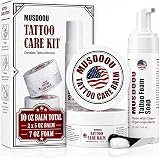
- Consistent Moisturization: Keeping your tattooed skin well-hydrated is paramount. A healthy skin barrier can better protect the underlying ink, preventing the dull, flaky appearance that often accompanies dryness. Use fragrance-free, hypoallergenic lotions specifically designed for sensitive skin or tattooed skin.
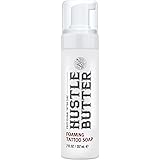
- Gentle Cleansing: During the initial healing phase and beyond, clean your tattoo with a mild, antibacterial, fragrance-free soap. Avoid harsh scrubbing or abrasive materials that could irritate the skin or prematurely exfoliate the surface layer, potentially affecting the ink.
- Avoiding Direct Sun Exposure: This is arguably the most critical long-term strategy for preserving tattoo brightness. UV radiation is the archenemy of tattoo ink. Always cover your tattoos with clothing or apply a high-SPF (30+) broad-spectrum sunscreen when exposed to the sun. This protection acts like a shield, deflecting the harmful rays that break down pigments.
Elevating Your Long-Term Tattoo Maintenance Regimen
Beyond the initial aftercare period, maintaining tattoo vibrancy becomes a lifestyle commitment. Integrating these practices into your daily routine significantly extends the life and luminosity of your ink. Consider this a continuous polish for your permanent artwork.
- Hydration from Within: Drinking adequate amounts of water contributes to overall skin health, which directly impacts the appearance of your tattoos. Well-hydrated skin appears plumper and more radiant, allowing the tattoo colors to shine through more distinctly.
- Nutrient-Rich Diet: A balanced diet, rich in antioxidants and essential fatty acids, supports skin repair and regeneration. Foods high in vitamins C and E can bolster skin health, indirectly aiding in the preservation of your tattoo’s integrity and brightness.
- Avoid Over-Exfoliation: While gentle exfoliation can remove dead skin cells and reveal brighter skin, aggressive scrubbing over tattooed areas can actually accelerate pigment degradation. Exercise caution and opt for chemical exfoliants designed for sensitive skin, using them sparingly.
Advanced Strategies for Revitalizing Dull or Faded Tattoos
Sometimes, despite the best preventative measures, a tattoo may still lose some of its original luster. Fortunately, several advanced techniques are available to professional tattoo artists and dermatologists to restore brilliance. These are not everyday remedies but rather specialized interventions for significant brightening challenges.
The Art of the Professional Touch-Up
A professional touch-up is often the most effective method for revitalizing a faded tattoo. An experienced tattoo artist can re-ink areas where the pigment has lightened, sharpening lines and intensifying colors. This process is akin to a masterful art restorer meticulously touching up a classic painting, bringing back its original vibrancy. Discussing this option with your original artist, or another reputable professional, is highly recommended to ensure consistency and quality. They possess the nuanced understanding of color theory and skin dynamics to expertly address specific areas of fading.
Exploring Laser Tattoo Brightening (Non-Removal)
While often associated with tattoo removal, lasers can also be used in a different capacity for brightening. Very low-power laser treatments can sometimes target superficial dullness or haze that forms over older tattoos, without fully removing the underlying pigment. This process can gently exfoliate the skin’s surface and encourage a more radiant appearance. However, this is a specialized procedure that requires consultation with a board-certified dermatologist or a qualified laser technician, as improper application could lead to undesired results or removal. It is a subtle reawakening rather than a complete overhaul, revealing the inherent brilliance of your existing tattoo.
Considering Pigment Boosters and Specialized Skincare
The market now offers a range of topical products marketed as “tattoo brightening” or “color enhancing” creams and serums. These products often contain ingredients like fruit acids, vitamins, and hydrating compounds designed to improve skin texture and clarity, allowing the tattoo’s colors to appear more vivid. While they won’t magically restore heavily faded ink, they can certainly enhance the overall appearance of a well-maintained tattoo by improving skin health. Think of these as premium conditioning treatments for your skin and the vibrant canvas beneath. Consistent application as part of your daily skincare routine can significantly contribute to the long-term brightness of your tattoo.
Crazy Diamond Q&A: Polishing Your Tattoo Brilliance
Why do tattoos lose their color over time?
Tattoos can fade because of sun exposure, which breaks down the ink, and your body’s immune system gradually works to remove the foreign pigment. The skin’s natural renewal also plays a part.
What’s the best way to protect my tattoo from fading due to the sun?
Always cover your tattoo with clothing or apply a high-SPF, broad-spectrum sunscreen when it will be exposed to the sun. UV radiation is a primary cause of tattoo fading.
How can I keep my tattoos looking bright and healthy in the long run?
Consistent moisturization with fragrance-free lotion, gentle cleansing, and staying well-hydrated by drinking water are key. A healthy diet also supports vibrant skin and tattoos.