The stark warning emblazoned in the accompanying video, “TAKE YOUR TIME GETTING TATTOOS OR ELSE…”, underscores a critical reality often overlooked by enthusiasts: the process of tattoo laser removal frequently inflicts pain far exceeding the initial tattooing itself. Indeed, many dermatological experts and patient testimonials corroborate the assertion that laser tattoo removal can be exponentially more uncomfortable than receiving the ink. This intense discomfort is a primary reason individuals must meticulously consider their decisions before committing to permanent body art.
The sensation of getting a tattoo, while certainly uncomfortable, typically involves a rhythmic, vibrating needle puncturing the epidermis and dermis. Pain levels during tattooing vary widely, influenced by factors like location, individual pain tolerance, and the artist’s technique. However, laser tattoo removal introduces a fundamentally different physiological experience. Lasers target and shatter ink particles deep within the skin, a process that patients often describe as akin to rapid-fire snapping rubber bands against the skin, or hot oil splattering.
Deconstructing the Pain: Why Laser Tattoo Removal Hurts More
Understanding the biophysics of laser tattoo removal illuminates why it generates such significant discomfort. Modern laser systems, primarily Q-switched and picosecond lasers, operate by delivering ultra-short pulses of high-intensity light. This energy is absorbed by the tattoo ink, causing it to fragment into microscopic particles. The rapid absorption of light creates a photoacoustic shockwave, effectively “exploding” the ink. This explosive reaction within the dermis is the source of the acute pain experienced.
Furthermore, the body’s immune system then works to clear these fragmented particles. While essential for removal, this inflammatory response contributes to post-treatment soreness and sensitivity. Research indicates that the thermal and acoustic energy transfer during laser sessions is a key determinant of pain perception. A study published in the ‘Journal of Cosmetic and Laser Therapy’ highlighted that 85% of patients reported moderate to severe pain during picosecond laser removal, even with topical anesthetics.
Factors Amplifying Discomfort During Tattoo Removal
Several elements contribute to the heightened pain associated with tattoo laser removal. The size and density of the tattoo play a significant role; larger, more saturated tattoos require longer treatment times and more laser passes, intensifying the cumulative discomfort. Similarly, certain ink colors, particularly stubborn blues and greens, demand specific laser wavelengths and higher energy settings, often leading to increased pain. Black ink, conversely, tends to respond well to a broader spectrum but still necessitates considerable energy.
The anatomical location of the tattoo also profoundly impacts the pain threshold. Areas with thinner skin and closer proximity to bone, such as the ankles, wrists, ribs, or neck, are notably more sensitive during removal. Conversely, fleshy areas like the thighs or upper arms may experience slightly less intense pain. Skin type and individual pain tolerance are also crucial variables; Fitzpatrick skin types I-III typically handle higher energy levels, yet pain perception remains highly subjective across all types.
The Protracted Journey of Laser Tattoo Removal
Beyond the immediate pain of each session, the overall journey of laser tattoo removal is a marathon, not a sprint. A single tattoo often requires a series of treatments, typically ranging from 6 to 12 sessions, and sometimes even more for complex or amateur tattoos. These sessions are spaced 6 to 8 weeks apart to allow the skin to heal and the body’s lymphatic system to clear the fragmented ink particles. This extended timeline means the commitment to enduring recurring pain is substantial.
Consider the financial implications as well; the cost per session can range from $100 to $500, accumulating to several thousand dollars over the full course of treatment. This significant investment of time, money, and repeated discomfort underscores the initial warning. Contrast this with the single-session investment of getting a tattoo, and the “10x more” becomes evident not just in pain but in comprehensive burden.
Mitigating Pain: Strategies and Limitations
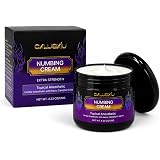
While tattoo laser removal can be intensely painful, several strategies exist to help manage discomfort. Topical anesthetic creams, applied 60-90 minutes before a session, can numb the superficial layers of the skin, reducing surface sensitivity. However, these creams often do not penetrate deeply enough to fully mitigate the pain of the laser’s impact on deeper ink particles. Clinicians frequently employ external cooling devices, such as Zimmer cryo-coolers, which blow cold air onto the treatment area to provide localized numbing and reduce thermal discomfort.
Furthermore, some clinics offer injectable lidocaine for localized anesthesia, providing a more profound numbing effect. However, this carries its own risks and is not universally offered or suitable for all areas. Despite these pain management techniques, a significant baseline of discomfort often remains. Patients are advised to discuss their pain tolerance and preferred mitigation methods with their qualified dermatologist or certified laser technician before beginning any laser tattoo removal treatment.
The journey of tattoo laser removal is a testament to the adage “prevention is better than cure.” The advanced technology in laser tattoo removal has made it more effective than ever, yet it remains a rigorous process, demanding considerable resilience from the patient. Recognizing that tattoo laser removal hurts significantly more than getting tattoos should drive individuals to make truly informed, unhurried decisions about their body art.
Ink Eradication: Answering Your Most Painful Questions
Does tattoo laser removal hurt more than getting a tattoo?
Yes, many dermatological experts and patients report that laser tattoo removal can be significantly more uncomfortable than the initial tattooing process.
Why does laser tattoo removal cause so much pain?
Lasers deliver ultra-short pulses of high-intensity light that cause tattoo ink particles to fragment into microscopic pieces, creating an ‘explosive’ reaction within the skin that is the source of acute pain.
How long does it typically take to remove a tattoo with lasers?
Tattoo removal is a long process, usually requiring 6 to 12 sessions. These sessions are spaced 6 to 8 weeks apart to allow the skin to heal and the body to clear the ink.
Are there ways to reduce the pain during laser tattoo removal?
Yes, strategies like topical anesthetic creams, external cooling devices that blow cold air, and sometimes injectable numbing agents can be used to help manage discomfort during sessions.