Every tattoo artist understands the vital role of their equipment. Just as a painter relies on their brushes, an artist of the skin needs their tattoo machines. The right machine truly empowers creativity. This article expands on the video above, offering deeper insights.
Choosing the correct tattoo machine is a foundational decision. Performance variations significantly impact final artwork. Understanding these nuances is critical for professional outcomes. Different machines excel at different tasks.
Deconstructing Tattoo Machine Performance: A Technical Dive
Modern tattoo machines typically operate with rotary mechanics. A small motor drives a needle bar. This creates the necessary oscillation or reciprocation. Key performance metrics include stroke length and motor torque.
Machine balance and ergonomic design are also paramount. These factors reduce artist fatigue. They also contribute to greater precision. The ‘feel’ of a machine is often subjective yet crucial.
The Bishop Wand Packer: Precision in Every Stroke
The Bishop Wand Packer is celebrated for its precise line work. Its design ensures exceptional balance. Lines are pulled with remarkable consistency. This machine offers superb control to the artist.
Such precision is attributed to its direct-drive system. Minimal latency is observed in needle movement. This creates crisp, clean lines. Artists often praise its ergonomic form factor.
Exploring the Mast Flex Machine: Torque and Texture
The Mast Flex machine exhibits a distinct lower RPM. This characteristic impacts its overall performance. A different ‘feel’ is experienced during line work. This machine may require a specific adaptation period.
Achieving smooth, consistent shading can present challenges. Its unique motor characteristic affects pigment saturation. Artists might explore various techniques. This machine offers a different textural approach.
Assessing the Mast Rider Pro: The Versatile Contender
The Mast Rider Pro demonstrates broad capability. It performs well across various tattooing tasks. This machine often delivers reliable results. Artists can trust its consistent output.
Its balanced performance makes it a versatile tool. Shading and line work are capably managed. Many artists find it a strong daily driver. Adaptability is a core strength of this tattoo machine.
Optimizing Your Line Work: Beyond the Basics
Line work demands absolute accuracy and unwavering stability. The machine’s stroke length dictates needle penetration. A stable hand is supported by a well-balanced machine. This reduces unwanted hand tremors.
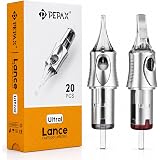
High-quality cartridge needles also influence line clarity. The right power supply ensures consistent voltage. Mastering line work is a combination of many factors. The Bishop Wand Packer excels here.
Achieving Smooth Shading: Techniques and Tools
Smooth shading requires a harmonious blend of pigment. The machine’s hit and speed directly influence this. Consistency in pigment delivery is essential. Varying needle configurations achieve different effects.
Lower RPM machines, like the Mast Flex, can offer unique textures. They may require specific shading motions. Higher frequency machines can lay down smoother gradients. Experimentation is key for optimal results.
The Critical Role of Tattoo Machine Balance and Ergonomics
A machine’s balance profoundly affects artist comfort. Prolonged sessions become less fatiguing. Ergonomic design supports natural hand positioning. This prevents strain and enhances control.
Poor balance can lead to artist compensation. This introduces subtle inconsistencies into the work. A well-balanced machine feels like an extension of the hand. It promotes steady and precise movements.
Understanding Voltage Settings and Machine Performance
Voltage directly controls a rotary machine’s speed. Higher voltage means faster needle action. This impacts both line sharpness and shading depth. Maintaining consistent voltage is vital for predictable outcomes.
The video’s “same voltage” test standardizes one variable. This allows for fair machine comparisons. Different machines react uniquely to voltage changes. Understanding these reactions is crucial.
Interpreting Machine Feedback: A Dialogue with Your Tool
Machine feedback refers to the sensations felt by the artist. These vibrations and sounds communicate machine performance. Differences in feedback are noted for each machine. Artists develop an intuitive understanding.
Strong feedback can indicate a powerful hit. Subtle feedback might suggest a gentler approach. This sensory information guides the artist. It allows for real-time adjustments during tattooing.
Curating Your Tattoo Machine Arsenal
No single tattoo machine suits every task. A diverse collection allows greater versatility. Artists can choose based on project demands. Different machines are preferred for specific styles.
The Bishop Wand Packer is ideal for clean lines. The Mast Flex offers unique textural possibilities. The Mast Rider Pro provides all-around competence. Selecting the right tool enhances artistic expression.
Exclusive Savings for Masterful Tattoo Artistry
Investing in quality equipment is a wise decision. Premium tools elevate your artistic potential. For those considering Mast tattoo machines, an opportunity awaits. Use the promo code “QINKS10” for a 10% discount on your purchase. This makes high-performance tattoo machine technology more accessible.
Buzzing for Answers: Your Tattoo Machine Q&A
What is a tattoo machine and how does it work?
A tattoo machine uses rotary mechanics with a small motor that drives a needle bar. This creates the oscillation or reciprocation needed to apply ink to the skin.
Why is choosing the right tattoo machine important?
Choosing the correct tattoo machine is crucial because its performance significantly impacts the final artwork. Different machines are designed to excel at specific tasks, like lining or shading.
What do ‘lining’ and ‘shading’ mean in tattooing?
Lining refers to creating precise outlines and stable strokes in a tattoo. Shading involves blending pigment smoothly to achieve different textures and gradients within the artwork.
Do tattoo artists use different machines for different types of work?
Yes, tattoo artists often have a diverse collection of machines because no single machine suits every task. They choose specific machines based on whether they need to do fine lines, smooth shading, or other specialized techniques.