Optimizing Tattoo Healing: A Deeper Look at Each Strategy
Understanding the intricacies of skin recovery is paramount for anyone seeking to make a new tattoo heal faster. Each step in the aftercare process plays a critical role in preventing complications and promoting rapid cell regeneration.1. Do Not Re-bandage Your New Tattoo (With Exceptions)
Initially, tattoo artists often apply a protective wrap to your fresh tattoo, designed to shield the open wound from environmental contaminants for the first few hours. This initial dressing should generally be removed as soon as recommended by your artist, typically within 2-4 hours. Re-bandaging the tattoo with traditional wraps or non-breathable materials is largely counterproductive. The skin needs ample exposure to air to initiate the crucial process of scabbing and forming a protective layer. **Expansion:** When a tattoo is re-wrapped, especially with non-breathable materials, it creates an overly moist environment. This trapped moisture, combined with the body’s natural fluids, becomes an ideal breeding ground for bacteria, increasing the risk of infection. Furthermore, excessive moisture can hinder the natural drying out and scabbing process, which is essential for the skin to seal itself. Research indicates that proper air circulation can reduce overall healing time by preventing prolonged moisture exposure. **The Saniderm/Second Skin Exception:** It is important to differentiate between conventional re-bandaging and the application of medical-grade adhesive films, often referred to as “second skin” or brands like Saniderm. These semi-permeable membranes are specifically designed to create a protective, sterile environment while still allowing the skin to breathe minimally and manage moisture. Your tattoo artist might recommend leaving these on for several days, as they protect against bacteria, reduce scabbing, and keep the tattoo hydrated with its own plasma, promoting optimal healing conditions. Always adhere to your artist’s specific instructions when these advanced dressings are used.2. Clean Your Tattoo with Lukewarm Water and Rinse Cold
Proper cleansing is fundamental to prevent infection and promote healthy healing for your new tattoo. The video correctly highlights the widespread misconception regarding water temperature during cleaning. Using excessively hot water on a fresh tattoo is highly detrimental and should be avoided. **Expansion:** A new tattoo is essentially an open wound, making its delicate tissues highly susceptible to damage. Piping hot water can scald the sensitive, raw skin, potentially causing blisters or burns that prolong the healing process significantly. Hot water also causes blood vessels to dilate and pores to open excessively, which can not only increase discomfort but also risk leaching ink from the compromised dermal layers, leading to faded or patchy results. **The Optimal Method:** Industry professionals widely advocate for the use of lukewarm water to gently wash a new tattoo. This temperature effectively cleanses the skin without causing irritation or trauma. Following a gentle wash with a mild, fragrance-free antibacterial soap, rinsing the tattoo with cool or cold water is highly beneficial. This practice encourages the skin’s pores to contract and close, effectively “trapping” the ink more securely within the dermis and helping to reduce swelling. Dermatological studies often emphasize temperature regulation in wound care for improved outcomes.3. Select the Right Tattoo Aftercare Product
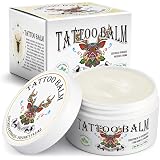
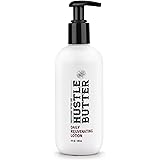
The market is saturated with various tattoo aftercare products, leading to considerable confusion among enthusiasts regarding the best choice. As the video mentions, preferences vary widely, but certain principles guide effective product selection. **Expansion:** The ideal aftercare product should be formulated specifically for tattoos, emphasizing all-natural ingredients that support skin regeneration without compromising the integrity of the ink. Products containing petroleum jelly, harsh chemicals, alcohol, or synthetic fragrances should be avoided. Petroleum-based products can suffocate the skin, preventing it from breathing and leading to over-moisturization, which can hinder healing and potentially trap bacteria. **Recommended Ingredients:** Look for products rich in natural emollients and humectants such as shea butter, cocoa butter, vitamin E, panthenol (Vitamin B5), and natural oils like jojoba or coconut oil. These ingredients are known for their anti-inflammatory, moisturizing, and skin-repairing properties. For instance, studies on wound healing have demonstrated that panthenol significantly promotes epithelialization and reduces inflammation, contributing to faster recovery times. Choosing products that nourish the skin’s natural barrier is essential for healthy and rapid healing.4. Apply Aftercare Product Sparingly
A common misbelief among individuals with new tattoos is that applying a thick layer of aftercare product will accelerate healing. This approach is, in fact, counterproductive and can significantly impede the process. **Expansion:** Over-moisturizing a new tattoo by applying too much product can suffocate the skin, preventing it from breathing adequately. This creates a dense, occlusive barrier that traps moisture, natural fluids, and potentially bacteria against the healing skin. Such an environment can lead to clogged pores, skin irritation, and even the development of a rash or acne-like breakouts, known as “tattoo rash.” An overly moist environment also inhibits the formation of a healthy scab, which is a crucial protective layer in the initial healing phases. **The Correct Application:** A thin, translucent layer is all that is required. The product should be massaged gently into the skin until it is barely visible and quickly absorbed. This ensures the skin receives adequate hydration and nutrients without being overwhelmed. A thin application allows the tattoo to breathe while still providing the necessary moisture to prevent excessive dryness and cracking. Dermatologists often recommend using just enough product to provide a thin sheen, which should disappear within a few minutes of application.5. Stay Adequately Hydrated
The importance of internal hydration for overall health is well-documented, and its role in accelerating tattoo healing cannot be overstated. As the video points out, staying hydrated provides essential resources for your body’s repair mechanisms. **Expansion:** When your body is properly hydrated, every cell, including those involved in skin regeneration, functions more efficiently. Water is crucial for transporting nutrients and oxygen to damaged tissues and for flushing out toxins and waste products from the healing area. Dehydration, conversely, can slow down cellular repair, compromise skin elasticity, and make the healing skin appear dull, dry, and more susceptible to cracking. **Scientific Basis:** The skin, being the body’s largest organ, relies heavily on water to maintain its integrity and perform its regenerative functions. Clinical studies have demonstrated a direct correlation between optimal hydration levels and accelerated wound healing rates. For an average adult, consuming around 8-10 glasses (approximately 2-3 liters) of water daily is a general guideline, though individual needs may vary based on activity level and climate. Prioritizing consistent water intake during the tattoo healing process will undoubtedly contribute to a faster, healthier recovery and help the new tattoo heal faster.6. Resist Picking or Peeling Any Skin Off Your Tattoo
This particular hack is often easier said than done, as the healing phase of a new tattoo can be accompanied by intense itching and noticeable flaking of the skin. However, resisting the urge to pick or peel is critical for optimal results. **Expansion:** During the natural healing process, the top layer of skin will dry out and begin to peel, much like a sunburn. This shedding is a normal part of regeneration, allowing new, healthy skin to emerge. When you forcibly pick or scratch at these flakes or scabs, you risk not only tearing the delicate underlying skin but also prematurely pulling out ink particles that have not yet fully settled into the dermis. **Consequences of Picking:** The consequences of picking can be severe, ranging from scarring and permanent ink loss, which results in patchy or faded areas, to increased susceptibility to infection. Each time the healing skin is disturbed, the body’s repair process is essentially “restarted” in that specific area, significantly prolonging the overall healing period. Should you experience intense itching, gently patting the area, applying a thin layer of moisturizer, or using a cool compress can provide relief without damaging the tattoo. A survey of tattoo artists indicates that upwards of 30% of their touch-up work stems from clients picking at their healing tattoos.7. Avoid Baths and Take Quick Showers
Limiting prolonged exposure to water is a cornerstone of effective tattoo aftercare. While showering is necessary for hygiene, certain precautions must be taken, particularly avoiding baths altogether. **Expansion:** Immersing a new tattoo in a bathtub allows it to soak in stagnant water, which can harbor bacteria and contaminants, significantly increasing the risk of infection. Furthermore, prolonged exposure to water can cause the delicate, healing skin to become excessively saturated and soft, potentially leading to the premature loosening and falling off of scabs. This disruption can damage the healing skin and result in ink loss or uneven healing. **Showering Protocols:** When showering, keep the duration brief. Focus on quickly cleansing the tattooed area with lukewarm water and a mild, fragrance-free soap, avoiding direct, high-pressure streams of water onto the tattoo. As soon as cleansing is complete, step out of the shower and gently pat the tattoo dry with a clean, soft towel. Air-drying for a few minutes can also be beneficial before applying aftercare product. Adhering to these simple shower practices minimizes water exposure and promotes efficient drying, helping your new tattoo heal faster.8. Avoid Any Form of Strenuous Exercising
For fitness enthusiasts, taking a break from regular exercise can be a significant challenge, yet it is a non-negotiable aspect of ensuring your new tattoo heals quickly and properly. The video correctly identifies sweat as a primary concern. **Expansion:** Engaging in strenuous physical activity leads to increased perspiration. Sweat contains salts and bacteria that can irritate an open tattoo wound and create an ideal environment for bacterial proliferation, substantially elevating the risk of infection. Beyond sweat, exercise often involves stretching and friction, particularly if the tattoo is located over a joint or a heavily muscled area. Excessive stretching can cause microscopic tears in the healing skin, disrupting the delicate scabbing process and potentially leading to scarring or distortion of the tattoo design. **Recommended Downtime:** While the video suggests avoiding exercise for at least a week, many tattoo artists and dermatologists recommend a minimum of 10-14 days, especially for larger or more detailed pieces, or tattoos in high-movement areas. During this period, consider light activities that do not induce heavy sweating or significant skin stretching, such as gentle walking or meditation. Prioritizing rest during this critical initial phase allows your body to dedicate its full resources to making your new tattoo heal faster.Accelerated Healing: Your Tattoo Q&A
Should I re-bandage my new tattoo after the artist removes the initial wrap?
Generally, you should not re-bandage your new tattoo with traditional materials, as the skin needs air to heal. However, if your artist applied a medical-grade ‘second skin’ product, follow their specific instructions as these are designed for extended wear.
What is the best way to clean my new tattoo?
You should gently wash your new tattoo with lukewarm water and a mild, fragrance-free antibacterial soap. After washing, rinse it with cool or cold water to help close the pores and reduce swelling.
What kind of aftercare product should I use, and how much?
Choose a tattoo-specific aftercare product with natural ingredients like shea butter or vitamin E, avoiding petroleum jelly or harsh chemicals. Apply only a very thin, translucent layer that is quickly absorbed to avoid suffocating the skin.
Can I pick or peel the scabs/skin off my healing tattoo?
No, it’s crucial to resist picking or peeling any skin off your healing tattoo. Doing so can cause scarring, lead to permanent ink loss, and significantly increase the risk of infection.
Can I take baths or go swimming with a new tattoo?
No, you should avoid baths and swimming because prolonged immersion in water can introduce bacteria to your open wound and cause the delicate healing skin to become overly saturated, potentially harming the tattoo and causing infection.