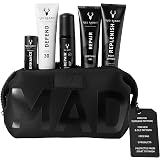
The decision to get a tattoo is a significant one, a commitment to adorn your body with permanent art. Yet, the initial excitement often overshadows the crucial, ongoing commitment required to maintain that art. As the video above eloquently demonstrates, keeping your tattoos looking fresh and vibrant years after they’ve healed demands consistent, intelligent care. It’s not merely about the aftercare; it’s a lifelong regimen. While an exceptional tattoo artist lays the foundational blueprint, your daily diligence dictates the longevity and crispness of your dermal masterpiece. Think of it as investing in a high-performance vehicle: superior engineering is essential, but without routine maintenance, premium fuel, and protective measures, its brilliance will inevitably diminish.
For those who view their body as a living canvas, preserving the integrity of their ink is paramount. Fading, blurring, and a general dullness are the natural adversaries of any tattoo, yet many of these effects can be significantly mitigated. This expanded guide dives deeper into the expert strategies and scientific principles behind maintaining tattoo vibrancy, ensuring your vibrant tattoos continue to tell your story with clarity and brilliance for decades.
The Unseen Foundation: Why a Master Artist Matters for Tattoo Longevity
Before any discussion of post-tattoo care, it is imperative to acknowledge the bedrock upon which all future vibrancy rests: the skill of your chosen tattoo artist. A truly exceptional artist is akin to an architect designing a resilient structure; their precision in embedding ink, understanding of skin anatomy, and mastery of line work directly influence the tattoo’s potential for long-term tattoo care. Poorly executed tattoos, often characterized by shallow or excessively deep ink placement, blowouts, or inconsistent saturation, are akin to building on sand. They are inherently prone to premature fading, blurring, and distortion, making subsequent maintenance efforts significantly more challenging, if not entirely futile.
A seasoned professional ensures the pigment is deposited precisely into the dermis—the stable layer of skin beneath the epidermis—where it can remain intact. This meticulous attention to depth and consistency prevents “blowouts,” where ink spreads unintentionally beneath the skin, creating fuzzy lines. Conversely, if the ink is too shallow, it will shed with the superficial epidermal layers during the skin’s natural regeneration cycle, resulting in rapid fading. Therefore, selecting an artist renowned for their clean lines, consistent saturation, and a deep understanding of ink preservation is not merely a preference but a non-negotiable prerequisite for a tattoo that truly endures the test of time. Their work provides the robust scaffolding that your subsequent tattoo care routine will endeavor to protect and enhance.
Hydration is Your Tattoo’s Lifeblood: The Power of Daily Moisturizing
Imagine your skin, particularly the tattooed areas, as a finely polished gemstone. Its true brilliance and depth are only revealed when its surface is clear, smooth, and well-maintained. The video aptly describes the top layer of skin as a “glass window,” and indeed, a dry, neglected epidermis is like a dirty pane of glass, obscuring the intricate artwork beneath. Adequate skin hydration is not just a cosmetic indulgence; it’s a physiological necessity that directly impacts the visual quality of your tattoos. When skin is optimally moisturized, it maintains its elasticity, reflects light more effectively, and most critically, supports the health of the dermal layer where your ink resides.
Dry skin, on the other hand, exhibits a dull, flaky texture. The superficial cells of the epidermis can lift and crack, creating an uneven surface that scatters light and makes tattoos appear muted and less defined. Consistent, daily moisturizing—preferably once a day, and potentially twice in harsher, drier conditions like winter—works to fortify the skin’s natural barrier. This barrier function is crucial; it locks in moisture, preventing transepidermal water loss (TEWL), and keeps external irritants at bay. Products containing humectants (like glycerin or hyaluronic acid), emollients (such as ceramides or fatty acids), and occlusives (like petroleum jelly or shea butter) work synergistically to hydrate, soften, and protect the skin. Opt for lotions that are fragrance-free and formulated for sensitive skin to avoid potential irritation. By consistently nourishing your skin, you ensure that the “glass window” over your tattoos remains crystal clear, allowing the vivid pigments to shine through with their intended intensity, contributing significantly to your goal of vibrant tattoos.
Shielding Your Canvas: Strategic Sun Protection for Tattoo Longevity
The sun, while life-giving, is arguably the most formidable enemy of tattoo longevity. Its harsh UV radiation—both UVA and UVB—acts as a relentless adversary, breaking down tattoo pigments over time. This isn’t just about superficial sunburn; it’s about the deep cellular damage that causes ink particles to degrade, scatter, and fade. The video emphasizes this critical point: “nothing will fade your tattoos more than the harsh, blinding, blistering rays of the sun.” Ignoring this advice is akin to leaving a priceless painting exposed to direct sunlight; its colors will inevitably dull and vanish.
To counteract this, a multi-pronged approach to sun protection is essential for tattoo fading prevention:
- Broad-Spectrum SPF: Apply a broad-spectrum sunscreen with an SPF of 30 or higher to all tattooed areas exposed to the sun. This protects against both UVA (aging rays) and UVB (burning rays). The video accurately highlights the need to reapply SPF every two hours, or more frequently if swimming or sweating. While higher SPFs like 50 or 100 offer incrementally more protection, the critical factor often lies in adequate and consistent application. A thick, even layer of SPF 30 is far more effective than a thin, patchy application of SPF 100.
- Physical vs. Chemical Sunscreens: The choice between chemical and mineral (physical) sunscreens often comes down to personal preference. Mineral sunscreens, containing zinc oxide and titanium dioxide, create a physical barrier reflecting UV light. They are often preferred for sensitive skin but can leave a white cast, a common concern mentioned in the video. Chemical sunscreens absorb UV radiation and convert it into heat. Modern formulations, like those mentioned (e.g., Supergoop), often avoid the white cast.
- Protective Clothing: Whenever feasible, covering tattooed skin with clothing is the most effective form of sun protection. Long sleeves, trousers, and wide-brimmed hats act as an impenetrable physical barrier. The advent of UPF (Ultraviolet Protection Factor) clothing is a game-changer for those seeking optimal protection without the constant need for sunscreen reapplication. UPF clothing has sun protection built directly into the fabric, providing a reliable shield against UV rays.
- Strategic Timing: Avoid peak sun hours, typically between 10:00 AM and 4:00 PM, when UV radiation is most intense. Planning outdoor activities for early mornings or late afternoons significantly reduces exposure risk.
- Neglected Areas: The video correctly identifies hands as particularly vulnerable due to constant exposure. Remember that areas like the neck, feet, and ears are also prone to UV damage and fading. Think of sun protection as an encompassing shield, leaving no part of your valuable art exposed.
Proactive sun protection is the ultimate deterrent against UV damage and the inevitable dulling of your tattoo’s intricate details.
Unveiling the Art: The Role of Hair Removal in Tattoo Vibrancy
While not a mandatory aspect of tattoo care, the practice of hair removal, as highlighted in the video, can significantly enhance the visual impact of your body art. Hair, especially if dark or dense, acts like a subtle veil, obscuring the fine lines, delicate shading, and vibrant hues of a tattoo. It’s a pragmatic step for those seeking maximum clarity and crispness from their inked canvas.
Consider the analogy of viewing a masterpiece through a light, smoky screen; the general image is discernible, but the intricate brushstrokes and color nuances are somewhat lost. Removing hair is akin to lifting that screen, allowing the tattoo to be seen in its full, unadulterated glory. For those with significant body hair, this can transform a tattoo from merely visible to truly striking. Methods range from temporary solutions like shaving or epilation (a favored method in the video, which removes hair from the root for longer-lasting smoothness) to more permanent options like laser hair removal. When considering any hair removal technique on tattooed skin, gentleness and skin health are paramount. Shaving should be done with a sharp blade and a lubricating medium to prevent nicks or irritation. Epilation requires careful technique to minimize ingrown hairs, often necessitating accompanying exfoliation. Laser hair removal, while effective, should only be performed by a qualified professional who understands how to navigate tattooed areas to avoid ink damage. This step, while a “bonus” in the journey to keep tattoos looking fresh, undeniably offers an immediate visual uplift.
Exfoliation: Renewing Your Tattoo’s Brilliance
Just as a sculptor cleans and polishes their work, so too must we maintain the surface of our tattooed skin. Exfoliation is a pivotal, yet often overlooked, component of advanced tattoo care. Our skin is constantly regenerating, shedding dead skin cells from its outermost layer, the epidermis. When these dead cells accumulate, they create a dull, uneven surface that, much like body hair, can act as another “veil” over your tattoo, diminishing its vibrancy and sharpness. Regular, gentle exfoliation removes this build-up, revealing the fresher, brighter skin underneath and, by extension, the clearer, more vibrant tattoo pigments.
This process encourages healthy cellular turnover, ensuring that the epidermal layer above your tattoo remains translucent and smooth. The video advocates for exfoliating at least once a week, potentially twice, depending on individual skin needs. When selecting an exfoliant for tattooed skin, caution is key:
- Physical Exfoliants: Fine-grain scrubs are preferable over harsh, abrasive particles that can irritate or even micro-damage the skin, potentially affecting ink over time. Apply with gentle, circular motions.
- Chemical Exfoliants: Alpha Hydroxy Acids (AHAs) like lactic or glycolic acid, or Beta Hydroxy Acids (BHAs) like salicylic acid, can dissolve the bonds between dead skin cells. These are often gentler than physical scrubs but should be introduced gradually, particularly for sensitive skin or those new to chemical exfoliation. Opt for lower concentrations initially.
Moreover, exfoliation offers a synergistic benefit if you engage in hair removal, as it significantly helps in preventing ingrown hairs. By keeping the skin clear and smooth, you’re not only enhancing the visibility of your tattoo but also promoting overall skin health. It’s a vital ritual for maintaining the “crispness” and overall appeal of your vibrant tattoos, ensuring they always look as dynamic as the day they were etched.
Beyond the Basics: Advanced Practices for Holistic Tattoo Care
While daily moisturizing, diligent sun protection, optional hair removal, and regular exfoliation form the core of effective tattoo care, a holistic approach acknowledges that skin health is intrinsically linked to overall wellness. For those committed to ensuring their tattoos remain pristine for the long haul, consider these advanced practices:
- Internal Hydration and Nutrition: The health of your skin begins from within. Consuming adequate water ensures cells are plump and hydrated, contributing to skin elasticity and a healthy glow that enhances tattoo visibility. A diet rich in antioxidants (from fruits and vegetables), healthy fats (omega-3s), and vitamins (especially C and E) supports collagen production, reduces inflammation, and protects skin cells from oxidative stress, all crucial for maintaining dermal integrity and ink vibrancy.
- Stable Weight Management: Significant and rapid weight fluctuations can alter the canvas of your skin. Large tattoos, particularly those on areas prone to stretching or sagging like the abdomen, upper arms, or thighs, can distort and become stretched or compressed with drastic changes in body mass. Maintaining a relatively stable weight helps preserve the original composition and clarity of your artwork.
- Antioxidant Skincare: Incorporate topical antioxidants, such as Vitamin C or E serums, into your routine. These compounds combat free radicals generated by environmental stressors like pollution and UV radiation, which can contribute to collagen breakdown and pigment degradation. By neutralizing these damaging agents, antioxidants provide an additional layer of protection for your tattooed skin.
- Professional Check-ups and Touch-ups: Just as you might revisit a museum to admire a cherished piece of art, consider occasional check-ins with your tattoo artist. Over many years, minor touch-ups might be necessary to refresh certain colors or lines that have naturally softened. A skilled artist can breathe new life into an aging tattoo, reinforcing its original glory and ensuring its continued impact.
Embracing a comprehensive and proactive tattoo care routine is a continuous journey. It integrates diligent daily habits with a broader understanding of skin health, ensuring that your vibrant, intricate body art remains a source of pride and expression for a lifetime. These strategies, combined with the foundational care outlined in the video, are your best defense against the ravages of time and environmental exposure, allowing your tattoos to consistently look fresh and captivating.
FAQs: Preserving Your Tattoo’s Pristine Glow
Why is choosing a skilled tattoo artist important for my tattoo’s future?
A good artist ensures the ink is precisely placed in your skin, which is crucial for preventing premature fading, blurring, and distortion. Their skill provides the foundation for your tattoo’s long-term vibrancy.
What is the most important daily care step for my tattoos?
Daily moisturizing is essential to keep your skin hydrated and healthy. Well-moisturized skin appears clearer and smoother, allowing your tattoo’s colors and details to shine through vibrantly.
How can I protect my tattoos from sun fading?
Sun protection is vital because UV radiation breaks down tattoo pigments. You should apply broad-spectrum sunscreen with SPF 30 or higher, wear protective clothing, and try to avoid direct sun exposure during peak hours.
Should I exfoliate my tattooed skin?
Yes, gentle exfoliation once or twice a week helps remove dead skin cells that can dull your tattoo. This process reveals fresher, brighter skin underneath, making your tattoo’s colors and lines appear clearer and more vibrant.