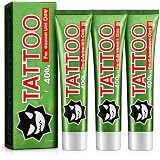
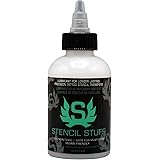
Understanding optimal tattoo aftercare is crucial for ensuring the longevity and vibrancy of your new body art, a sentiment powerfully echoed in the accompanying video. Choosing the correct healing method significantly impacts the final aesthetic outcome and helps to prevent potential complications. This comprehensive guide will delve deeper into the three primary aftercare strategies, providing expert insights into their mechanisms, benefits, and specific considerations for different skin types and environmental conditions.
Adhering to a meticulous aftercare regimen is not merely about avoiding infection; it is fundamentally about facilitating the skin’s natural regenerative processes while preserving the integrity of the deposited ink. Each aftercare method, whether it involves leaving the tattoo exposed, regularly moisturizing it, or employing protective wraps, leverages distinct principles to promote healing. Navigating these options effectively requires a nuanced understanding of their scientific bases and practical applications, always prioritizing your tattoo artist’s specific recommendations for personalized care.
Optimizing Tattoo Healing Methods for Enduring Artistry
The journey from fresh tattoo to fully healed masterpiece is profoundly influenced by the aftercare practices implemented during the initial weeks. Selecting an appropriate healing strategy is paramount, as this decision can dictate everything from the intensity of color saturation to the smoothness of the skin’s texture. Furthermore, improper care may lead to complications such as ink fallout, scarring, or even systemic infections, underscoring the critical importance of informed choices. This detailed exploration provides a professional breakdown of the most prevalent tattoo aftercare methodologies, offering an expanded perspective on the concepts introduced in the video.
Considering your individual skin physiology and the prevailing climatic conditions is essential when determining the most suitable tattoo aftercare protocol. For instance, skin with a higher sebaceous output might react differently to certain occlusive dressings compared to drier skin types. Similarly, living in a perpetually humid environment poses unique challenges for wound management that differ significantly from those encountered in arid climates. These variables necessitate a tailored approach to ensure optimal healing and the best possible outcome for your new tattoo.
The Nuances of Dry Healing: Embracing Natural Recovery
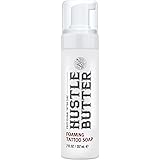
Dry healing, often referred to as natural healing, is a tattoo aftercare approach that intentionally abstains from the application of any external lotions, creams, or ointments. This method relies entirely on the body’s inherent regenerative capabilities, allowing the wound to breathe and form a natural scab without artificial interference. Proponents of dry healing often assert that this technique can lead to exceptionally vibrant and sharply defined tattoos, hypothesizing that unrestricted air exposure facilitates a more robust epidermal restoration process without the potential for product-induced irritation.
Strict adherence to impeccable hygiene practices becomes even more critical with dry healing to mitigate the risk of bacterial contamination. Regular, gentle cleansing with an unscented, antimicrobial soap and lukewarm water is indispensable, ensuring the removal of exudate and environmental pollutants. This method is particularly well-suited for individuals possessing normal to oily skin types and those residing in mild to moderately hot and humid climatic zones, where the skin naturally produces sufficient moisture and ambient air readily assists in drying the wound surface. Conversely, dry healing is generally not recommended for individuals with arid skin, pre-existing dermatological conditions such as eczema, or various allergies, nor is it advisable for those living in cold and exceptionally dry climates. In such scenarios, the risk of excessive dryness, cracking, and delayed healing significantly escalates.
Mastering Moisturized Healing: The Traditional Approach to Tattoo Aftercare
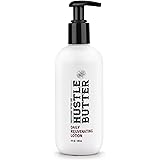
Moisturized healing, recognized as the traditional cornerstone of tattoo aftercare, involves the consistent application of specific lotions, creams, or ointments to maintain the tattooed area’s hydration and protective barrier. This method is extensively endorsed by a vast majority of professional tattoo artists, primarily due to its proven efficacy in accelerating the healing timeline. By keeping the skin supple, moisturized healing effectively minimizes the formation of heavy scabs, thereby reducing the likelihood of ink pulling and subsequent patchy areas within the design.
Furthermore, maintaining a consistently moist environment helps to prevent the skin from becoming excessively dry and itchy, which can lead to scratching and potential infection. This protective layer also acts as a physical barrier against airborne pathogens and environmental irritants. It is absolutely imperative to follow your tattoo artist’s precise recommendations regarding product selection, as certain ingredients can adversely react with the ink or impede the healing process. This method generally excels for those with regular to dry skin types and individuals residing in colder or moderately temperate climatic conditions, where external moisture supplementation is often beneficial. However, it is advisable to avoid moisturized healing if you possess oily or allergic skin, or if you are located in hot and humid climates; excessive moisture retention can unfortunately predispose the skin to folliculitis, maceration, or exacerbation of allergic reactions.
The Efficacy of Wrap Healing: Modern Protection for Busy Lifestyles
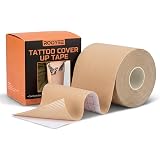
Wrap healing represents a contemporary and highly effective tattoo aftercare strategy that utilizes specialized protective films or breathable bandages to cover the new tattoo during its critical initial healing phases. These advanced dressings, often composed of semi-permeable membranes, create an optimal moist wound environment by trapping the natural plasma and lymphatic fluid that exude from the fresh tattoo. This contained, sterile microenvironment significantly accelerates epidermal regeneration, reducing the formation of scabs and greatly minimizing discomfort.
Beyond promoting superior healing, wrap healing offers unparalleled protection against external bacteria, airborne contaminants, and friction, making it an exceptionally convenient option for individuals with active or demanding lifestyles. The application process and duration for which the wrap should remain in place are highly specific and must be meticulously followed according to your tattoo artist’s instructions. This method is particularly advantageous for individuals with regular to dry skin types, and it proves effective across a wide spectrum of climatic conditions, including cold, dry, mild, moderate, and even rainy environments, as it shields the tattoo from adverse elements. However, wrap healing is unequivocally not recommended for those with oily skin, pre-existing skin diseases, or significant skin allergies, nor is it suitable for deployment in excessively hot and humid climatic conditions. In these situations, the occlusive nature of the wrap can inadvertently foster anaerobic bacterial growth, lead to skin maceration, or trigger severe irritation.
Ideal Tattoo Healing: Your Aftercare Questions Answered
What is tattoo aftercare and why is it important?
Tattoo aftercare is the process of caring for a new tattoo to ensure it heals properly. It’s crucial for maintaining the tattoo’s color and quality, preventing infections, and ensuring the skin recovers well.
What are the three main aftercare methods for a new tattoo?
The article discusses three primary aftercare methods: dry healing, moisturized healing, and wrap healing. Each method has specific practices to help your new tattoo heal effectively.
What does ‘dry healing’ mean for a new tattoo?
Dry healing is an aftercare method where you intentionally avoid applying lotions or creams to the tattoo. It relies on your body’s natural healing abilities, allowing the wound to breathe and form a natural scab.
What is ‘moisturized healing’ for a new tattoo?
Moisturized healing involves regularly applying specific lotions, creams, or ointments to keep the tattooed area hydrated. This traditional method helps prevent excessive dryness and reduces heavy scabbing.
What is ‘wrap healing’ for a new tattoo?
Wrap healing uses specialized protective films or bandages to cover the new tattoo. These wraps create a sterile, moist environment that accelerates healing and protects the tattoo from external elements and bacteria.