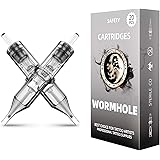
Embarking on the journey to become a tattoo artist is an exciting endeavor. A crucial first step involves selecting the right tools, especially your primary tattoo machine. As Brandon from Tattooing 101 eloquently explains in the video above, understanding the various types of machines available can significantly influence your learning curve and the quality of your early work. This guide expands on those insights, providing a deeper dive into choosing the best tattoo machine for beginners, ensuring you start your career with confidence and the right equipment.
Imagine if you could bypass some of the common pitfalls new artists face, simply by making an informed choice about your equipment. The right beginner tattoo machine acts as an extension of your artistic vision, while the wrong one can lead to frustration and hinder your progress. Let’s explore the different machines, their nuances, and what factors truly matter for a novice.
Understanding the Foundation: Traditional Coil Tattoo Machines
For many veteran artists, the traditional coil tattoo machine was the only option when they first started. Brandon himself began his tattooing journey with one of these machines over 12 years ago. These machines operate using an electromagnetic circuit that rapidly pulls down and releases an armature bar, driving the needle into the skin. They are characterized by their distinctive buzzing sound and robust, often customizable, build.
**Pros of Coil Machines:** Coil machines possess a unique feel and can push larger needle groupings effectively, especially when tuned correctly for specific tasks like bold lines or heavy color packing. Parts for coil machines are widely available, and with proper care, their frames can last a lifetime, requiring only periodic replacement of components like springs, coils, or contact screws. This modularity makes them a lasting investment.
**Cons of Coil Machines:** The significant drawback for a tattoo machine for beginners is the steep learning curve associated with coil machines. Mastering their setup and tuning for different applications (lining, shading, color packing) takes considerable time and experience. You must learn to take them apart, fix them, and adjust everything from coil voltage to armature bar tension. This complexity can be overwhelming for someone just starting out, potentially diverting focus from fundamental tattooing techniques.
Furthermore, sourcing a quality coil machine can be tricky. As Brandon highlights, purchasing inexpensive machines from platforms like eBay or Amazon for “20 bucks” will almost certainly lead to disappointment. These machines often have poor components, inconsistent performance, and can break down quickly. Investing in a reputable brand from a dedicated tattoo supply store is crucial if you opt for a coil machine, but even then, the tuning aspect remains a hurdle for novices.
Embracing Modernity: Rotary Tattoo Machines
Rotary tattoo machines represent a significant evolution in tattoo technology. Unlike coil machines, they run on a small motor that drives the needle bar directly or through a cam system. This design eliminates the electromagnetic buzz, resulting in quieter operation and often less vibration. Brandon expresses his long-standing affection for rotary machines, particularly the Injecta Flite Nano, which he has used for five to seven years.
**Versatility and Performance:** One of the greatest advantages of rotary machines for a beginner tattoo machine is their inherent versatility and ease of use. Many models, like the Injecta, allow artists to change cams to adjust the stroke length, which dictates how far the needle moves in and out. A shorter stroke (e.g., 3mm) is ideal for soft shading, realism, and black and gray work, as it creates less skin trauma. Conversely, a longer stroke (e.g., 4mm) is excellent for bold line work and color packing, allowing for deeper pigment saturation with fewer passes.
Imagine being able to perform various tattooing styles simply by swapping a small component. This adaptability means a single rotary machine can be configured for different tasks, making it a highly efficient choice for artists who haven’t yet specialized in a particular style. Many rotary machines also offer adjustable “give,” which refers to the subtle cushioning effect as the needle hits the skin. A softer give is often preferred for shading, while a firmer give can aid in crisp lines. This level of control is invaluable.
**Ease of Learning and Maintenance:** Rotary machines are significantly easier to learn and operate compared to coil machines. There’s no complex tuning required; you simply insert your needle cartridge or traditional needle setup, connect the power, and you’re ready to tattoo. Maintenance is also minimal, usually involving just occasional oiling as Brandon mentioned. This simplicity allows beginners to focus more on needle depth, hand speed, and skin stretching, which are fundamental tattooing skills.
Brandon specifically recommends the Injecta Flite Nano for beginners due to its reliability, durability, and ease of maintenance. Parts are readily accessible directly from the manufacturer’s website, ensuring long-term support for your investment. This makes the rotary a strong contender for those seeking a reliable and adaptable tattoo machine for beginners.
The Rise of Simplicity: Pen Style Tattoo Machines
The pen-style tattoo machine is the newest innovation in the lineup, gaining immense popularity since its introduction roughly four years ago. Brandon acquired his pen machine just last year and has fallen in love with its functionality. These machines mimic the ergonomic feel of holding a pen or marker, making them incredibly intuitive to use, especially for artists accustomed to drawing.
**Intuitive Design and Operation:** The primary appeal of pen machines, like the Cheyenne Sol Nova Unlimited, is their straightforward operation. You can essentially “pick ’em up and use ’em” with minimal fuss. Most pen machines operate as direct drive rotaries, meaning the motor directly drives the needle without much give. This direct action provides consistent power, which is excellent for stable lines and consistent color saturation.
However, this direct drive can be “a little tricky if you’re trying to do like realism,” as Brandon notes. Realism and delicate shading often benefit from a machine with more give or adjustable stroke length to create softer transitions and reduce skin trauma. While some high-end pen machines offer stroke adjustability, many, like the Cheyenne Sol Nova Unlimited, come in fixed stroke lengths (e.g., 3.5mm or 4mm), requiring you to choose based on your preferred style.
**Sanitation and Grip Considerations:** A critical point to consider with pen machines, highlighted by Brandon, is sanitation. Since the machine is held like a pen, the grip area is constantly in contact with the artist’s hand and potentially cross-contaminated during a tattoo. You have two main options: either use disposable grips that screw onto the machine or ensure the machine’s grip is fully autoclavable. Disposable grips are convenient but can be “hard to find” and may not be universally interchangeable across different pen models, unlike the more standardized disposable grips for traditional rotary machines.
This sanitation aspect is non-negotiable in professional tattooing. Neglecting proper sterilization or barrier protection can lead to severe health risks for clients. Therefore, understanding the specific grip and sanitation requirements of any pen machine before purchase is paramount. Despite this, their comfort and ease of use make them a compelling choice for many artists, particularly those seeking a streamlined tattooing experience.
Key Considerations When Choosing Your First Tattoo Machine
Before making your final decision on the ideal tattoo machine for beginners, several factors warrant careful consideration. These points will help narrow down your options and ensure your investment aligns with your artistic aspirations and budget.
Versatility and Stroke Length
The versatility of a tattoo machine is a “big deal” for beginners. When you’re first starting, you likely haven’t settled on a specific tattooing style. Therefore, a machine that can handle various applications—from bold line work to delicate shading—is invaluable. Rotary machines, with their ability to change stroke length and often adjust give, offer immense versatility. Brandon emphasizes that “the possibilities are endless” with rotaries when it comes to customization.
Your choice of stroke length directly impacts the tattoo’s outcome and the client’s skin. For realism, black and gray, or smooth shading, a shorter 3mm stroke is recommended. This setting “hits a lot less” and minimizes skin trauma, making it easier to achieve seamless blends. For bold line work and vibrant color packing, a longer 4mm stroke is ideal. This setting “hits really hard,” allowing for easier skin penetration and robust pigment saturation. Understanding these relationships will significantly impact your technique.
The Price vs. Quality Equation
Tattoo machines are a significant investment, with “most of these machines are $500 and up.” While this might seem steep, Brandon points out that quality machines like the Inkjecta can last “five, seven years” or even longer with proper care and minimal maintenance. The longevity and reliability of a professional-grade machine far outweigh the initial cost savings of a cheap alternative. Imagine being mid-tattoo and your machine suddenly failing; the stress and potential damage to your client’s skin are simply not worth it.
If your budget is tight, Brandon suggests considering “Mast machines” as a temporary solution. They offer decent performance for their price point, allowing beginners to get started without breaking the bank. However, the ultimate recommendation is to “definitely upgrade” to a professional-grade machine like an Inkjecta Flite Nano or a Cheyenne as soon as your finances allow. These machines provide the consistent performance, durability, and support necessary for a successful tattooing career, making them an excellent tattoo machine for beginners to aspire to.
Finding Your Comfort Zone
Ultimately, the “biggest point” in choosing a tattoo machine is personal comfort. There is no single “legendary machine” that works for everyone. As Brandon explains, it took him a while to adjust to pen-style machines after years of using the Inkjecta, due to differences in grip and weight distribution. The way a machine feels in your hand—its weight, balance, and ergonomics—is deeply personal and impacts your control and endurance during long tattooing sessions.
The best advice is to “try out other machines whenever you can.” Attend conventions, visit supply shops, or borrow from trusted mentors to experience different models. Some machines will immediately feel right, while others may feel awkward or cumbersome. Building this knowledge base on various machines will help you identify what truly works for your hand and your emerging style of tattooing. Your comfort with your chosen beginner tattoo machine will be a cornerstone of your confidence and skill development throughout your career.
Your First Buzz: Tattoo Machine Questions Answered
What are the main types of tattoo machines available?
There are three main types: traditional coil machines, modern rotary machines, and newer pen-style tattoo machines, each operating differently to drive the needle.
Which type of tattoo machine is generally recommended for beginners?
Rotary tattoo machines are highly recommended for beginners because they are easy to use, versatile, and require minimal maintenance, allowing new artists to focus on tattooing techniques.
Why are traditional coil machines difficult for beginners to use?
Coil machines have a steep learning curve because they require beginners to master complex setup, tuning, and maintenance for different tattooing applications, which can be overwhelming.
What is ‘stroke length’ on a tattoo machine and why is it important?
Stroke length refers to how far the tattoo needle moves in and out of the machine. It’s important because shorter strokes are better for shading, while longer strokes are ideal for bold lines and packing color.