Can a Cheap Tattoo Machine for Beginners Really Deliver? Unpacking the Entry-Level Experience
As seen in the video above, the world of tattooing can seem daunting, especially when considering the significant investment required for professional-grade equipment. It’s natural to wonder: can an ultra-affordable tattoo machine truly deliver a functional experience, particularly for aspiring artists or those just starting their journey? Many beginners are on the hunt for a budget-friendly way to dip their toes into this intricate art form without breaking the bank. This article expands on the video’s exploration of an incredibly inexpensive tattoo machine, examining its capabilities and limitations to help you make an informed decision.
For just 42 Euros (without tax), the video narrator purchased a complete tattoo kit from Amazon, a price point that raises immediate questions about quality and performance. When a single pack of high-quality tattoo needles can cost as much as this entire set, it’s understandable to be skeptical. However, the video’s objective review provides crucial insights into what a cheap tattoo machine for beginners truly offers.
Unboxing the Budget Tattoo Machine: What You Get for Your Money
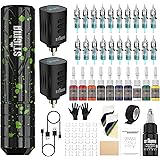
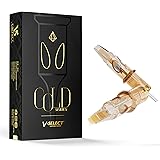
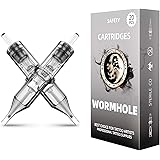
Upon opening the box, the narrator discovered a surprisingly comprehensive package for such a low price. This particular kit, a contender for the title of “cheapest tattoo machine for beginners,” included several key components:
- Needle Modules: A generous supply of 20 needle modules, offering various configurations for different tattooing tasks. While the quantity is impressive, the quality for real skin applications remains a significant concern, as we’ll discuss later.
- Battery: A large battery was included, designed to power the machine. While having just one battery could pose challenges during extended sessions if it dies and there’s no backup, it’s a commendable inclusion at this price point. Manufacturer specifications suggest it lasts approximately four to six hours, which surprisingly aligns with some more expensive models.
- Tattoo Machine Pen: The centerpiece of the kit, the tattoo machine itself, presented a simple yet appealing design. Its adjustable needle depth, controlled by a simple twisting motion, mimics the functionality of many conventional tattoo pens.
- Ink Colors: A vibrant array of 12 different colors, plus black and white, totaling 14 ink bottles. This provides a wide palette for practicing various designs and techniques on artificial skin.
- Artificial Skin: Crucially for beginners, artificial practice skin was part of the set. This allows for hands-on learning without the risks associated with tattooing real skin.
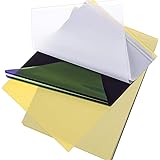
- Stencil Paper: The kit also contained stencil paper, which the narrator found to work quite well for transferring designs.
However, some essential items were notably absent or insufficient. Only a few gloves were included, a stark contrast to the approximately 30 pairs a professional artist might use daily in a studio. Vaseline and stencil transfer solution were also missing, highlighting that a truly ready-to-use kit still requires additional purchases.
Performance Test: Lining, Shading, and Filling with an Entry-Level Machine
The true test for any tattoo machine, especially a cheap tattoo machine for beginners, lies in its performance across different techniques. The narrator put the budget machine through its paces, attempting lining, shading, and filling on artificial skin. This is where the machine’s strengths and weaknesses became apparent.
Needle Selection and Voltage
For outlines, a five-round liner needle was chosen, a common starting point for crisp lines. The machine’s voltage can be adjusted between 5 to 11 volts with a double-click, and the narrator typically operates at 8 volts. This flexibility in voltage control is a positive feature, allowing beginners to experiment with different power settings for various techniques and comfort levels.
Lining Performance
Surprisingly, the machine performed quite well for drawing outlines. The lines were clean and consistent, suggesting that with a steady hand, a beginner could achieve decent results. However, immediate differences from professional equipment emerged. The machine felt heavier, and its weight distribution, particularly with the protruding battery, wasn’t optimal, making prolonged use less comfortable. Moreover, while professional machines allow for a 4-millimeter needle extension from the module for precise work, this budget machine was limited to 3 millimeters. While still sufficient for learning, a longer extension can offer better visibility and control for certain techniques, which experienced artists often prefer.
During longer lines, a slightly stronger vibration was also noticeable compared to high-end machines. While not a “deal-breaker,” this increased vibration can contribute to hand fatigue over time and potentially make fine detailing more challenging for some users.
Shading and Filling
Transitioning to shading and filling, a seven soft-edge magnum needle was used. The narrator employed an undershading technique, gradually working from light to dark with black ink before moving to colors. Undershading involves building up layers of diluted ink to create smooth transitions, a technique that requires a machine capable of consistent pigment delivery.
The blend with black ink worked effectively, and incorporating the red and light blue colors also proceeded normally. The included inks, while fluid in consistency (which the narrator appreciated for better skin absorption), were explicitly deemed unsuitable for real skin due to health and safety concerns. This highlights a critical distinction: what works for artificial skin practice might be entirely unacceptable for human skin.
Professional vs. Beginner Gear: Key Differences to Note
The video continually draws parallels between the cheap tattoo machine for beginners and professional setups. Understanding these distinctions is vital for anyone serious about tattooing.
Weight, Balance, and Vibration
Professional tattoo machines are engineered for ergonomic comfort, precision, and minimal vibration. The narrator pointed out that their expensive machine is significantly lighter and boasts superior weight distribution, typically balanced towards the front. This ergonomic design reduces hand fatigue during long sessions and allows for greater control over intricate details. The stronger vibrations and less optimal weight balance of the budget machine, while workable for short practice sessions, would become a considerable impediment in a professional environment.
Needle Extension and Precision
The ability to adjust needle extension is a nuanced but critical feature. A 4-millimeter extension, preferred by the narrator, provides greater visibility of the needle’s tip, which is essential for precise line work, delicate shading, and consistent depth control. The 3-millimeter limit on the budget machine, while functional, might restrict certain advanced techniques or make it harder for some beginners to achieve the desired level of accuracy. This difference underscores the subtle engineering that goes into professional tattoo equipment.
Battery Life and Reliability
The included battery’s 4-6 hour life is decent, matching some expensive models. However, having only one battery means a complete halt to work if it runs out mid-session. Professional artists often have multiple charged batteries or rely on wired power supplies for uninterrupted operation. Reliability and consistency over long periods are paramount in a professional setting, where a machine malfunction can disrupt client appointments and impact artwork.
Crucial Consumables: Inks, Needles, and Gloves
This is arguably the most critical area of differentiation. The narrator explicitly stated they would *never* use the included cheap inks and needles on real skin or clients. This isn’t just a preference; it’s a matter of health, safety, and client welfare. Professional-grade needles undergo rigorous individual inspection to ensure perfect sharpness, sterility, and consistency, minimizing trauma to the skin and promoting proper healing. Cheap needles can be dull, irregularly shaped, or not properly sterilized, leading to increased pain, scarring, infections, and poor ink implantation.
Similarly, professional tattoo inks are manufactured under strict regulations, ensuring they are sterile, non-toxic, and vibrant, designed to last without fading or causing adverse reactions. Using unverified, cheap inks on human skin carries significant risks, including allergic reactions, infection, and uneven fading. The scarcity of gloves in the budget kit also highlights a lack of understanding regarding professional hygiene standards, where cross-contamination prevention requires frequent glove changes. For any beginner learning with a cheap tattoo machine, the absolute rule must be: **only use the included inks and needles on artificial skin.**
Is This Cheap Tattoo Machine Right for Your Journey?
So, after weighing the pros and cons, is a cheap tattoo machine for beginners like the one reviewed a worthwhile investment? The answer largely depends on your intent:
- For Experimentation and Practice: Absolutely. If you’re looking to explore the mechanics of tattooing, understand needle movements, practice line work, shading, and color packing on artificial skin, this budget machine is more than sufficient. It allows you to develop muscle memory and basic techniques without a hefty financial commitment. You can create “really beautiful tattoos” on practice skin, as demonstrated in the video.
- For Professional Use or Real Skin: Definitely not. The limitations in ergonomics, vibration, needle quality, and especially the unknown safety of the inks and needles make this kit unsuitable for tattooing clients. As the narrator advises, quality is essential in this field, and cutting corners on consumables risks health and artistic integrity.
The unknown factor of durability is also significant. While professional machines can last for a decade or more, the lifespan of a 42 Euro device is questionable. For daily, intensive use in a tattoo studio, the long-term reliability of an expensive, trusted brand is indispensable.
Making Smart Choices: Beyond the Machine Itself
Even if you opt for a cheap tattoo machine for beginners, remember that the journey involves much more than just the device:
- Prioritize Learning: Use this budget-friendly entry point to immerse yourself in learning. Watch tutorials (like the narrator’s upcoming undershading video!), study different styles, and practice diligently on artificial skin.
- Invest in Quality Consumables (Eventually): As your skills progress and if you ever consider tattooing on real skin (after proper apprenticeship and licensing), you MUST upgrade your needles, inks, and other sterile supplies to professional, medically certified products.
- Hygiene is Paramount: Develop rigorous sterilization and hygiene practices from day one, even if only working on artificial skin. This builds crucial habits for later. Understand concepts like cross-contamination and the importance of barrier protection.
- Seek Mentorship: The best way to transition from a beginner with a cheap tattoo machine to a professional artist is through a structured apprenticeship under an experienced mentor. They will guide you on equipment, technique, and, most importantly, client safety and studio protocols.
Ultimately, a cheap tattoo machine for beginners can be a fantastic tool for initial exploration and skill development. It demystifies the process and makes the art form accessible. However, it’s crucial to understand its limitations and to remember that true professionalism demands a commitment to quality, safety, and continuous learning that extends far beyond the initial cost of equipment.
Your Cheap Tattoo Machine: Questions Before You Ink
What is a cheap tattoo machine kit for beginners used for?
It’s mainly for practicing tattoo techniques like lining and shading on artificial skin, helping beginners learn the basics of how a tattoo machine works.
What kind of items are usually included in a budget-friendly beginner tattoo kit?
These kits often include a tattoo machine pen, needle modules, a battery, various ink colors (for practice), artificial practice skin, and stencil paper.
Can the inks and needles from a cheap beginner tattoo kit be used on real skin?
No, the article strongly advises that the included inks and needles are not safe or sterile for use on real human skin and should only be used on artificial skin.
What are some main differences between a cheap beginner tattoo machine and a professional one?
Professional machines offer better ergonomics, less vibration, and more precision. Crucially, professional equipment uses safe, high-quality, and sterile needles and inks designed for real human skin.
Is a cheap tattoo machine a good way to start learning to tattoo?
Yes, it can be an affordable tool for initial practice and skill development on artificial skin. However, it is not suitable for tattooing on real clients or for professional use.