Navigating Laser Tattoo Removal: An Expert Guide to Preparation, Procedure, and Aftercare
Many individuals eventually find themselves contemplating the removal of a tattoo, a decision often accompanied by questions regarding the process’s discomfort, efficacy, and recovery. The journey can seem daunting, filled with uncertainties about what to expect, from the initial consultation to the final treatment session. Fortunately, advancements in dermatological technology have made laser tattoo removal a highly effective solution for fading or completely eliminating unwanted ink. A comprehensive understanding of the meticulous preparation, the intricacies of the procedure, and diligent aftercare involved can significantly enhance the patient experience, ensuring optimal results and minimized discomfort. This post, complementing the personal account provided in the video above, delves into the expert perspective on navigating your laser tattoo removal journey at specialized clinics like Atlantic Laser in Virginia Beach.Pre-Treatment Essentials: Optimizing Your Comfort and Outcome
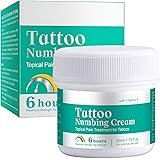
The foundation for a successful and comfortable laser tattoo removal session is often laid long before entering the clinic. As seen in the accompanying video, proactive steps can dramatically influence patient comfort. Topical anesthetic creams, commonly containing lidocaine or prilocaine, are typically applied to the treatment area approximately one to two hours prior to the appointment. These agents work by temporarily blocking nerve signals in the skin, thereby significantly reducing the sensation of pain experienced during the laser pulses. For optimal absorption and efficacy, the treated area is often covered with an occlusive dressing, such as plastic wrap, creating a moist environment that encourages deeper penetration of the numbing agent. Furthermore, proper systemic preparation contributes significantly to the body’s resilience during and after the procedure. Adequate hydration is paramount; consuming plenty of water leading up to and after your appointment supports overall cellular function and aids in the body’s natural healing processes. Furthermore, it is generally advised that a light meal be consumed prior to the session. This helps to stabilize blood sugar levels, preventing potential lightheadedness or nausea that can sometimes be induced by discomfort or anxiety during the treatment. Lastly, selecting comfortable, loose-fitting clothing that allows easy access to the tattoo is a practical consideration that contributes to a smoother and more comfortable experience for both the patient and the technician.The Laser Tattoo Removal Session: Understanding the Mechanics
The actual laser tattoo removal process, while quick, involves sophisticated technology and precise application. At clinics specializing in laser treatments, such as Atlantic Laser Tattoo Removal, advanced devices are employed to target the tattoo ink. Modern laser systems, primarily Q-switched or picosecond lasers, operate by emitting ultra-short pulses of high-intensity light that penetrate the skin and are selectively absorbed by the tattoo pigment. This absorption causes the ink particles to rapidly heat and shatter into much smaller fragments, a process known as selective photothermolysis. These microscopic particles are then naturally cleared away by the body’s lymphatic system over several weeks. During the treatment, protective eyewear is always provided and must be worn by both the patient and the technician to shield against the intense laser light. A stress ball, as observed in the video, is frequently offered to patients as a simple yet effective coping mechanism for managing discomfort, allowing for a focused outlet during the brief but intense pulses. The sensation experienced during a laser session is often described as similar to a rubber band snapping against the skin or hot grease splattering, making those few minutes feel considerably longer. The duration of treatment varies significantly with the size of the tattoo, as demonstrated by the contrasting times for the larger and smaller pieces. While a smaller tattoo might be treated in mere seconds, a larger design could require several minutes of continuous laser application.Immediate Post-Treatment: Managing Acute Responses
Immediately following a laser tattoo removal session, the treated area typically exhibits a range of acute inflammatory responses. It is common for the skin to appear bruised, a phenomenon medically termed ecchymosis, and to experience significant swelling, or edema. These are normal physiological reactions to the laser’s impact, as blood vessels near the surface are affected and fluid accumulates in the interstitial spaces. Furthermore, a temporary frosting effect, characterized by a white, bubbly appearance, may be observed on the skin; this is due to the rapid heating of ink particles and the release of carbon dioxide, which quickly dissipates. To facilitate optimal healing and prevent infection, the treated area is promptly covered with an emollient ointment, such as Bacitracin, which provides a protective barrier and maintains a moist wound environment. This is followed by the application of sterile gauze and sometimes a pressure dressing. The purpose of this dressing is multifaceted: it protects the delicate treated skin from external contaminants, absorbs any exudate, and in some cases, provides gentle compression to help mitigate swelling. The volume of bandaging required can be substantial, depending on the size and location of the treated tattoo. Proper immediate aftercare is critical in setting the stage for the subsequent healing phases and minimizing potential complications.Comprehensive Aftercare and The Healing Continuum
The journey of laser tattoo removal extends well beyond the clinic walls, with diligent home aftercare being a critical determinant of successful outcomes. Upon returning home, it is not uncommon for additional swelling to manifest, potentially making initial dressings feel restrictive, as was experienced in the video. In such instances, the reapplication of a looser, yet protective, dressing is imperative to ensure proper circulation and comfort. Regular cleaning of the treated area with mild soap and water, followed by the reapplication of Bacitracin or a similar healing ointment, is typically advised to prevent infection and promote skin regeneration. Throughout the healing process, which spans several weeks between sessions, it is crucial to monitor the treated skin for any signs of adverse reactions such as excessive redness, blistering, or persistent pain. While some discomfort is normal, significant pain should prompt contact with the treating clinic. Continued hydration, both internally and topically, plays a vital role in the body’s ability to repair and rejuvenate the skin. Exposure to direct sunlight should be strictly avoided or mitigated with high-SPF sunscreen, as UV radiation can hinder healing and lead to hyperpigmentation. Additionally, activities that might cause excessive sweating or friction on the treated area, such as swimming or rigorous exercise, are often discouraged during the initial healing period. The patient’s commitment to this comprehensive aftercare regimen is paramount for achieving the best possible results from their laser tattoo removal treatments.Atlantic Laser’s Tattoo Removal Q&A: Laser-Focused Answers
What is laser tattoo removal?
Laser tattoo removal uses special light pulses to break down tattoo ink into tiny fragments. Your body then naturally clears these fragments away over several weeks.
How should I prepare for a laser tattoo removal session?
Before your session, apply numbing cream, drink plenty of water, and eat a light meal. Also, wear comfortable, loose-fitting clothes that allow easy access to the tattoo.
Does laser tattoo removal hurt?
Numbing cream helps reduce the pain, but many people describe the laser sensation as similar to a rubber band snapping or hot grease splattering on the skin. Clinics often offer a stress ball to help manage discomfort.
What should I expect immediately after a laser tattoo removal session?
Immediately after treatment, the area might look bruised, swollen, or have a temporary white ‘frosting’ effect. The technician will apply ointment, sterile gauze, and possibly a pressure dressing to protect it.
What kind of care do I need to do at home after treatment?
At home, keep the area clean with mild soap and water, then reapply a healing ointment like Bacitracin. Avoid direct sunlight and strenuous activities that cause excessive sweating or friction.