Mastering Tattoo Aftercare: Essential Steps for a Flawless Heal
Embarking on the journey of getting a new tattoo is an exciting experience, a lasting commitment to art on your skin. However, the artistry doesn’t end when you leave the studio; in fact, a crucial phase begins immediately afterward: the tattoo healing process. As discussed by Daniel, a seasoned artist with 12 years of experience from Iron Ink Tattoo, proper tattoo aftercare is paramount to ensuring your new artwork heals beautifully, safely, and without compromise. Neglecting these vital steps can lead to issues ranging from faded colors to potential infections or even unsightly scar tissue, diminishing the vibrant impact of your design.
Understanding the principles of effective tattoo aftercare is not merely about following a set of instructions; it is about protecting an investment in self-expression and skin health. This comprehensive guide will elaborate on the key do’s and don’ts of tattoo healing, building upon the expert advice provided in the video above. By adhering to a diligent aftercare routine, you can significantly enhance the longevity and crispness of your tattoo, preserving its intended aesthetic for years to come.
Critical Tattoo Aftercare Don’ts: Protecting Your New Investment
When you first get a tattoo, your skin is essentially an open wound, making it highly susceptible to external factors that can impede healing or cause damage. Therefore, knowing what to avoid is just as crucial as knowing what to do. These cautionary measures are designed to minimize risk and promote an optimal healing environment for your new artwork.
Avoid Direct Sun Exposure
Direct sunlight is perhaps one of the most detrimental elements to a fresh tattoo. As the video thoughtfully explains, sunlight acts almost like a slow-motion laser removal process. The ultraviolet (UV) rays can penetrate the skin, gradually breaking down the ink particles. Consequently, your body absorbs these fragmented pigments, leading to premature fading and a dull appearance.
Furthermore, sun exposure can cause sunburn, which is particularly painful and damaging to compromised skin. It can also increase the risk of inflammation and blistering, which may result in uneven healing or permanent scarring. Therefore, it is strongly recommended to keep your new tattoo completely covered when outdoors, or ideally, avoid prolonged sun exposure altogether during the initial healing period. Once healed, consistently applying a high-SPF sunscreen remains essential for long-term tattoo preservation.
Refrain from Heavy Exercise for the First 48 Hours
The first 48 hours following your tattoo appointment are critical for the initial stages of wound closure and inflammation reduction. Engaging in strenuous physical activity during this period can be counterproductive. Heavy exercise causes increased blood flow to the skin, which can lead to swelling and discomfort around the tattooed area. Moreover, excessive sweating creates a moist environment that is conducive to bacterial growth, raising the risk of infection.
While light activity might be permissible if absolutely necessary, it is best to give your body adequate rest. If you must exercise, choose low-impact activities that do not involve the tattooed area and ensure any sweat is promptly and gently blotted away. Prioritizing rest allows your body to focus its energy on healing and regenerating skin cells.
Do Not Scratch an Itchy Tattoo
As your tattoo begins to heal, it is entirely normal for it to become itchy; this is a natural part of the skin regeneration process. However, scratching is one of the most dangerous actions you can take. Digging your nails into the skin can break the delicate new layers forming, dislodge scabs, and potentially pull out ink, leading to patchy areas or scarring. The video accurately points out that the chance of developing scar tissue is significantly higher if you scratch.
Instead of scratching, gently pat the itchy area with a clean hand or apply a thin layer of recommended fragrance-free moisturizer. Keeping the skin adequately moisturized can often alleviate discomfort. Should the itching become unbearable or be accompanied by redness and warmth, it might be a sign of infection, warranting a consultation with your tattoo artist or a healthcare professional.
Avoid Shaving Over a New Tattoo
Shaving over a fresh tattoo is a definite no-go. The razor blade can easily cut or irritate the healing skin, disrupting the scabbing process and causing damage to the delicate new layers. This action can introduce bacteria, leading to infection, or it can pull out ink, resulting in an uneven appearance once healed. Furthermore, shaving can cause razor burn, adding further irritation to an already sensitive area.
It is prudent to wait until your tattoo is completely healed, and all scabs have fallen off naturally, before considering shaving the area. This typically takes several weeks, depending on the size and location of the tattoo. Patience in this regard will safeguard your tattoo’s integrity and promote healthy healing.
Steer Clear of Pools and Open Water
Submerging your new tattoo in bodies of water such as swimming pools, hot tubs, lakes, or the ocean poses a substantial risk of infection. These environments are teeming with bacteria and other microorganisms that can easily enter an open wound. Chlorinated pools, while appearing clean, can still harbor bacteria and the chemicals themselves can be harsh and drying to new skin, potentially causing irritation or fading.
To avoid complications, wait until your tattoo has fully healed and the skin surface has completely closed, which usually takes at least 2-4 weeks. Showering is perfectly fine; in fact, it’s encouraged for hygiene, but ensure showers are brief and the water is not excessively hot. This precaution is vital for maintaining the aseptic environment necessary for proper healing.
Wash Gently with Hands, Not Cloths
When it comes to cleaning your new tattoo, gentleness is key. As advised in the video, always use your clean hands to wash the area, rather than a washcloth, sponge, or loofah. These items, even if seemingly soft, can be abrasive to new skin, potentially irritating the tattoo or dislodging scabs. Additionally, washcloths can harbor bacteria, which could then be transferred to your vulnerable tattoo.
The goal is to cleanse the tattoo without causing any friction or trauma. Utilize a mild, fragrance-free soap and lukewarm water, creating a gentle lather with your fingertips. Thoroughly rinse the area until all soap residue is gone, then gently pat dry with a clean, soft paper towel, not a fabric towel which can also harbor bacteria or lint.
Key Tattoo Aftercare Do’s: Fostering a Healthy Healing Environment
While avoiding certain actions is crucial, actively engaging in positive aftercare practices is equally important for a successful healing journey. These do’s form the cornerstone of a routine that supports your skin’s natural regeneration process, ensuring your tattoo remains vibrant and unblemished.
Heed Your Tattoo Artist’s Instructions
Among the multitude of opinions surrounding tattoo aftercare, the most authoritative voice is unequivocally that of your tattoo artist. Their guidance is tailored to the specific inks, techniques, and aftercare products they recommend, based on their extensive experience and your individual tattoo. Many artists employ specific wrapping methods or have preferred products for a reason. Therefore, it is imperative to listen carefully to their post-tattoo instructions and follow them diligently.
Should you have any questions or uncertainties during your healing process, do not hesitate to contact your artist directly. They are the best resource for personalized advice and can offer clarity on any concerns that may arise. Their expertise is invaluable in navigating the sometimes-confusing world of tattoo aftercare.
Use Perfume-Free, Neutral, or Tattoo-Specific Soaps
The choice of soap for cleaning your new tattoo significantly impacts its healing. Harsh chemicals, artificial fragrances, and dyes commonly found in many commercial soaps can irritate sensitive skin, cause dryness, or even trigger allergic reactions. These ingredients can also potentially strip the ink, leading to premature fading.
Opt for a neutral, unscented antibacterial soap or, even better, a soap specifically designed for tattoo aftercare. These products are formulated to be gentle on healing skin, effectively removing bacteria and excess plasma without causing irritation. Regular, gentle cleaning with the right product is essential for preventing infection and maintaining skin hygiene.
Employ Breathable Wraps When Necessary
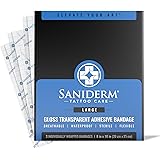
Some tattoo artists may recommend keeping your fresh tattoo wrapped for a longer period, often using specialized breathable films like Saniderm or Tegaderm. These wraps create a protective barrier against bacteria while allowing the skin to breathe and release excess fluids. This controlled environment can significantly enhance the healing process, reducing scabbing and maintaining moisture. However, the type of wrap and duration of use are critical.
If your artist advises a breathable wrap, ensure you understand how to apply and remove it correctly, and for how long it should remain on. Improper use can trap moisture and bacteria, leading to adverse effects. Never use non-breathable wraps like cling film for extended periods, as they suffocate the skin and create an anaerobic environment favorable for bacterial growth. Always follow your artist’s specific instructions regarding wrapping.
Properly Moisturize Your Tattoo
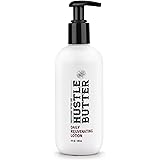
Moisturizing is a cornerstone of effective tattoo aftercare, vital for maintaining skin health and vibrancy. Just as a healthy window allows a clear view, healthy, supple skin ensures your tattoo remains sharp and vivid. A new tattoo, being a skin injury, benefits greatly from hydration to prevent excessive dryness, cracking, and flaking. Moisturizing helps to keep the skin pliable, reducing itchiness and discomfort during the healing process.
Apply a thin layer of a fragrance-free, non-comedogenic moisturizer specifically designed for tattoos or a plain, unscented lotion. Avoid petroleum-based products like Vaseline, as they can suffocate the skin and clog pores. Moisturize 2-3 times a day, or as directed by your artist, ensuring the skin is clean and dry before application. A little goes a long way; too much moisturizer can trap moisture and potentially lead to issues.
Still Have Aftercare Questions About Your Fresh Tattoo?
What is tattoo aftercare?
Tattoo aftercare refers to the essential steps you take to heal your new tattoo properly. It’s crucial for ensuring your artwork looks its best and stays healthy.
Why is it important to follow tattoo aftercare instructions?
Following aftercare helps prevent common issues like faded colors, infections, or unsightly scarring. It ensures your tattoo heals beautifully and maintains its vibrant design for years.
What are some important things I should NOT do with a new tattoo?
You should avoid direct sun exposure, heavy exercise for the first 48 hours, scratching the itchy area, and submerging your tattoo in pools or open water to prevent damage and infection.
How should I clean my new tattoo?
Gently wash your tattoo with clean hands, using a mild, fragrance-free or tattoo-specific soap and lukewarm water. Afterward, gently pat it dry with a clean paper towel.
Do I need to moisturize my new tattoo?
Yes, moisturizing is vital to keep your healing skin hydrated, prevent excessive dryness, and reduce itchiness. Apply a thin layer of fragrance-free, non-comedogenic lotion 2-3 times a day, or as advised by your tattoo artist.