The Critical Window: Mastering New Tattoo Aftercare in the First 24 Hours
Embarking on the journey with a new tattoo is an exhilarating experience, a fresh canvas of self-expression etched onto your skin. However, the true artistry extends far beyond the studio chair; it blossoms in the meticulous care you provide during the initial stages of healing. As discussed in the video above, the first 24 hours with a new tattoo are not merely important—they are the bedrock upon which the entire healing process and the ultimate longevity of your ink depend. Neglecting this crucial period can dramatically compromise the vibrancy, definition, and overall health of your tattoo, turning a masterpiece into a potential setback.
Many tattoo enthusiasts and professionals alike liken a fresh tattoo to an open wound, and for good reason. The tattooing process, by its very nature, involves hundreds to thousands of needle penetrations, depositing pigment into the dermal layer of your skin. This intricate work leaves the epidermis compromised, making your new tattoo incredibly vulnerable to external threats like bacteria, allergens, and environmental irritants. The speaker in the video rightly emphasizes that these initial moments dictate the trajectory of your tattoo’s recovery, influencing everything from the likelihood of infection to the formation of scar tissue.
Initial Protection Protocols: Navigating Tattoo Film Versus Traditional Wraps
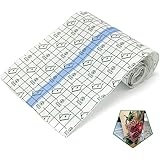
Upon leaving your artist’s studio, your new tattoo will typically be covered with a protective layer. The type of covering dictates your immediate next steps, a critical distinction highlighted in the video. Modern tattoo film, often a breathable, adhesive bandage specifically engineered for tattoo healing, is designed for extended wear. This advanced barrier actively promotes healing by maintaining a moist environment, reducing scab formation, and preventing cross-contamination from the outside world.
If your artist utilized a specialized tattoo film, the instruction is clear: leave it on for the full 24 hours, exactly as intended. This film acts as a second skin, providing optimal protection during the most vulnerable phase. In stark contrast, if your artist adheres to a more “old school” approach, wrapping your new tattoo in traditional cling film (like kitchen plastic wrap), the protocol shifts significantly. This type of wrap is meant for only a few hours post-tattoo, primarily to protect against immediate friction and environmental exposure during your journey home. Its non-breathable nature means prolonged use can trap moisture and heat, creating a breeding ground for bacteria, directly counteracting healthy healing.
The Art of Cleansing: Washing Your New Tattoo Without Compromise
Once the initial cling film is removed (or after 24 hours with specialized film), the critical step of washing your new tattoo begins. This isn’t just about cleanliness; it’s about gently removing plasma, excess ink, and potential surface bacteria without irritating the delicate healing skin. The video stresses the importance of using a soap specifically formulated for tattoos, or at minimum, a very mild, fragrance-free, and alcohol-free option. Harsh chemicals, perfumes, or alcohol can strip the skin of natural oils, leading to excessive dryness, irritation, and even fading of the pigment.
Equally vital is the water temperature. Lukewarm water is the gold standard, creating a soothing effect that helps open pores slightly without causing a shock or scalding the sensitive area. Cold water can constrict blood vessels, hindering the cleaning process, while hot water can further irritate the skin and potentially leach ink. When washing, use only your clean hands—never a washcloth, sponge, or brush, which can be abrasive and introduce additional bacteria. Treat your tattoo like the open wound it is, gently lathering the soap and rinsing thoroughly to remove all residue.
Drying Your Investment: Gentle Care is Key for Fresh Ink
After washing, the drying process requires the same meticulous attention. Aggressive scrubbing or rubbing with a towel can disrupt the nascent healing process, pull away forming scabs, or irritate the sensitive skin. Instead, the video advises a gentle patting motion using a clean towel or, even better, a fresh paper towel. Paper towels are often preferred due to their single-use nature, which significantly reduces the risk of bacterial transfer that can occur with multi-use cloth towels. Toilet paper, however, is a definite no-go; its flimsy texture can leave behind tiny fibers that stick to the tattoo, becoming potential irritants and infection points.
Allowing your tattoo to air dry completely for a few minutes before applying any aftercare products is also a subtle yet important step. Trapped moisture can create an ideal environment for bacterial growth, undermining all the careful cleansing efforts you’ve made. Think of it as allowing a freshly painted canvas to dry before adding a protective glaze.
Nighttime Safeguards: Protecting Your Tattoo Against the Unseen
The first night with a new tattoo can be a source of anxiety, particularly the fear of inadvertently damaging it while asleep. The video offers a practical solution: re-wrapping your new tattoo with fresh cling film before bed. While this isn’t for the tattoo’s “breathing” benefit (which is often a misconception), it serves a far more critical purpose. This temporary barrier shields your vulnerable tattoo from the myriad of bacteria and potential debris found in bedsheets, pet dander, or even the ambient dust in your room. It acts as a physical shield against accidental bumps, rubs, or scratches during restless sleep.
However, this nighttime re-wrap is temporary; remove the cling film first thing in the morning. Prolonged occlusion can deprive the wound of oxygen, and as mentioned, create an overly moist environment conducive to bacterial proliferation. A quick morning removal followed by the standard washing routine ensures a balance between protection and optimal healing conditions.
The Nourishing Touch: Moisturizing for Optimal Regeneration
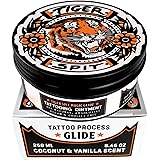
Following the morning wash, and throughout the day, applying a specialized tattoo ointment, balm, or butter is essential for tattoo aftercare. These products are formulated to support skin regeneration, hydrate the epidermal layers, and help keep the tattoo supple as it heals. Look for products specifically designed for tattoos, often containing ingredients like panthenol, shea butter, or vitamin E, known for their regenerative and anti-inflammatory properties. Avoid petroleum-based products like Vaseline, which can be too occlusive and suffocate the skin, potentially hindering oxygen exchange vital for healing.
The key, as the speaker emphasizes, is to apply a very thin layer. You want to provide moisture and protection without suffocating the skin. A thick application can block pores, prevent proper air circulation, and trap moisture, again risking bacterial growth and prolonging the healing process. Always ensure your hands are scrupulously clean before touching your tattoo or applying product to prevent cross-contamination. This meticulous approach ensures that the new tattoo receives the necessary nourishment to heal beautifully, allowing the pigment to settle vibrantly within the dermal layers.
Beyond Day One: Sustaining the Healing Momentum
While the first 24 hours are paramount, tattoo aftercare is an ongoing commitment. The video extends its advice beyond the initial day, recommending cleaning and moisturizing your new tattoo three to four times a day, particularly if your lifestyle exposes you to potential contaminants. Factors like wearing long sleeves that rub against the tattoo, engaging in active outdoor pursuits, or working in environments with dust or other irritants necessitate more frequent care.
Continuing the cling film application for subsequent nights can also be beneficial, especially during the first few days when the tattoo is still an open wound. The ultimate goals remain consistent: keeping the new tattoo clean, protected from external threats, and adequately moist. Adhering to these principles is your best defense against common complications such as infection, excessive scabbing, color fading, and the dreaded scar tissue formation. A diligently cared-for tattoo ensures the initial artistic investment stands the test of time, healing smoothly to reveal the crisp, vibrant artwork you envisioned.
Sorry Mom, We’ve Got Your First 24-Hour Tattoo Aftercare Questions
Why is the first 24 hours important for a new tattoo?
The first 24 hours are crucial because your new tattoo is like an open wound and is very vulnerable to bacteria and irritation. Proper care during this time sets the foundation for good healing and vibrant ink.
What should I do with the protective wrap my artist put on my new tattoo?
It depends on the type of wrap. If it’s a specialized tattoo film, leave it on for the full 24 hours. If it’s traditional cling film, remove it after only a few hours once you get home.
How should I wash my new tattoo, and what kind of soap should I use?
Gently wash your new tattoo with clean hands and lukewarm water. Use a soap specifically made for tattoos, or a very mild, fragrance-free, and alcohol-free option.
What’s the best way to dry my new tattoo after washing it?
Gently pat your tattoo dry with a clean paper towel. Avoid rubbing with a cloth towel, and allow it to air dry completely for a few minutes before applying any products.
Should I moisturize my new tattoo, and what should I use?
Yes, after washing and drying, apply a very thin layer of specialized tattoo ointment, balm, or butter. Avoid petroleum-based products like Vaseline, which can suffocate the skin.