Ensuring proper tattoo care is undeniably crucial for the healing process and the longevity of your body art. As the video above wisely points out, the world of tattoo aftercare can seem confusing, with many different opinions circulating. However, understanding the fundamental steps will set you on the right path, transforming potential confusion into confident self-care. It’s essential to approach your new tattoo not just as a piece of art, but as a healing wound that requires diligent attention and the correct products.
Your tattoo artist is always your primary source for personalized aftercare instructions, but this comprehensive guide expands on universal best practices to complement the video’s advice. Following a consistent routine helps prevent infections, promotes vibrant healing, and ensures your tattoo looks its best for years to come. Imagine if you meticulously prepared a canvas, only to neglect its protection once the masterpiece was complete; the same principle applies to your skin and new tattoo. Let’s delve deeper into each critical stage of the healing process, making your journey smooth and worry-free.
Understanding Your Fresh Tattoo’s Journey
A fresh tattoo is essentially an open wound, making it susceptible to bacteria and environmental irritants. The first few days and weeks are the most critical period for proper healing and preventing complications. Your skin is working hard to regenerate and encapsulate the ink, a delicate process that needs support and protection. Understanding this fundamental aspect helps you appreciate why each step in new tattoo care is so vital for the integrity of your design. Proper aftercare isn’t just about cleaning; it’s about creating an optimal environment for your body’s natural healing mechanisms. Imagine forgetting that a fresh cut needs bandaging and cleaning; a tattoo requires similar, albeit specialized, attention.
Ignoring proper procedures can lead to serious issues, from minor irritation and fading to severe infections that require medical attention. This is why the advice from your professional tattoo artist is paramount; they’ve seen countless tattoos heal and can offer insights specific to your skin and the tattoo’s placement. Think of them as your primary care provider for your new body art, offering expert guidance. By being proactive and informed, you safeguard your investment and ensure a beautiful, healthy outcome from your new piece.
Step-by-Step New Tattoo Care: Expanding on the Video
1. The “Second Skin” Removal (Saniderm/Tegaderm)
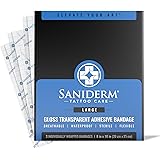
Many artists now use a specialized bandage often referred to as “second skin,” such as Saniderm or Tegaderm, immediately after your tattoo is finished. This modern application provides an excellent barrier against bacteria and allows your skin to breathe while keeping fluids contained. Removing this protective layer can sometimes feel daunting due to its strong adhesive, but the video offers a perfect tip: doing it in the shower is always easier. The warm water helps to loosen the adhesive, allowing for a gentler peel without tugging too hard on your sensitive skin. Imagine trying to peel a sticky label off dry paper versus off a wet surface; the latter is always smoother.
To safely remove the second skin, find an edge and slowly pull it parallel to your skin, not upwards and away. You might notice some ink, blood, and plasma trapped underneath, which is completely normal and part of the initial healing process. After removal, your tattoo area will likely feel a bit sticky and highly sensitive, requiring immediate gentle cleaning. This method significantly reduces the risk of initial contamination and keeps your fresh tattoo protected during those crucial first few days after leaving the studio. Take your time with this step to avoid unnecessary irritation to the delicate skin.
2. Gentle Cleansing for Your Healing Tattoo
Once the second skin is off, or if your artist used traditional bandaging, cleansing your tattoo becomes your immediate priority. As the video rightly emphasizes, using unscented soap is absolutely non-negotiable for tattoo aftercare. Harsh fragrances, dyes, and strong chemicals found in many regular soaps can irritate the sensitive, healing skin and even lead to allergic reactions or infection. Choose a mild, antibacterial, and completely fragrance-free soap specifically designed for sensitive skin or tattoo aftercare. Think of your tattoo like a newborn baby’s skin – it needs the gentlest possible touch.
To clean, gently lather the unscented soap in your clean hands and delicately wash the tattooed area with warm (not hot) water, using light, circular motions. Avoid scrubbing, picking, or rubbing vigorously, as this can damage the healing skin and potentially pull out ink. After cleansing, pat the tattoo completely dry with a clean paper towel, another excellent tip from the video. Regular cloth towels can harbor bacteria, lint, or rough fibers that might irritate or infect your vulnerable new tattoo. Imagine patting a delicate painting with a coarse brush versus a soft cloth; precision and gentleness are key.
3. Hydration is Key: Moisturizing Your New Tattoo
Once your tattoo is clean and completely dry, the next crucial step in effective tattoo aftercare is moisturizing. The video correctly highlights the need for an unscented moisturizer to keep your skin hydrated and prevent excessive dryness or scabbing. Just like with soap, scented lotions can introduce irritants and chemicals that hinder the healing process or cause adverse reactions on your sensitive skin. Look for a thin, non-comedogenic (won’t clog pores) lotion or ointment specifically formulated for tattoo aftercare or very sensitive skin. Think of it as providing essential nourishment to help your skin recover.
Apply a very thin layer of moisturizer to your tattoo, just enough to make it slightly shiny without feeling greasy or suffocating the skin. Over-moisturizing can trap moisture, leading to bacterial growth and issues like “blowouts” or rashes. Your skin still needs to breathe to heal properly. Repeat this cleansing and moisturizing routine 2-3 times a day for the first few weeks, or as directed by your tattoo artist, adjusting based on how quickly your skin dries out. Imagine trying to heal a dry, cracked lip; consistent, gentle moisture is what helps it recover smoothly and comfortably.
Beyond the Basics: Long-Term Tattoo Care for Vibrancy
While the initial weeks of new tattoo care are paramount, maintaining the vibrancy and health of your tattoo is a lifelong commitment. One of the most significant factors in long-term tattoo preservation is sun protection. UV rays are the primary enemy of tattoo ink, causing it to break down and fade rapidly over time. Imagine leaving a vibrant poster outside in direct sunlight; its colors will dull quickly. Always apply a broad-spectrum sunscreen with an SPF of 30 or higher to your tattooed areas whenever they are exposed to the sun. This simple habit can drastically extend the life and brilliance of your body art.
Furthermore, continue to keep your skin well-hydrated generally, even after the initial healing period. Healthy, moisturized skin holds ink better and makes your tattoos appear more vivid and defined. Avoid picking at scabs or peeling skin during the healing process, as this can pull out ink and create patchy areas. Choose loose, breathable clothing that doesn’t rub against your new tattoo, especially during the initial healing phase, to prevent irritation and allow proper airflow. By integrating these practices into your daily routine, you invest in the enduring beauty of your tattoo and ensure its longevity.
When to Consult Your Tattoo Artist or a Doctor
While proper tattoo care minimizes risks, it’s crucial to know when to seek professional advice. Your tattoo artist is your first point of contact for any concerns about the healing process. They can often provide immediate guidance or reassure you that what you’re experiencing is normal. However, certain signs may indicate a more serious issue like an infection, requiring medical attention. Imagine if a small problem was left unchecked and escalated significantly; early intervention is always best for your health and your tattoo.
Be vigilant for excessive redness or swelling beyond the first few days, intense pain that doesn’t subside, warmth radiating from the tattoo, or any pus-like discharge. Foul odor, fever, or red streaks spreading from the tattoo are also serious indicators that you need to see a doctor immediately. Do not try to self-treat a suspected infection; proper medical diagnosis and treatment are essential to prevent further complications. Always trust your instincts; if something feels wrong or looks concerning, prioritize your health and consult a professional. Remember, your tattoo artist provides expertise, but a medical doctor addresses health concerns.
Your Questions on My Tattoo Care Approach: Saniderm & Beyond
What is “second skin” and how should I remove it?
“Second skin” (like Saniderm) is a protective bandage placed over your new tattoo. Remove it slowly in the shower, pulling parallel to your skin as warm water helps loosen the adhesive.
How do I clean my new tattoo properly?
Gently wash your tattoo 2-3 times a day with mild, unscented antibacterial soap and warm water. Afterwards, pat it completely dry with a clean paper towel.
What type of moisturizer should I use for my new tattoo?
Apply a very thin layer of unscented, non-comedogenic lotion or ointment to keep your skin hydrated. This helps prevent dryness and promotes smooth healing.
Why is sun protection important for my tattoo?
Sun protection is crucial because UV rays cause tattoo ink to fade and break down over time. Always apply broad-spectrum sunscreen (SPF 30+) to protect your tattoo from sun damage.
When should I contact a professional about my healing tattoo?
Contact your tattoo artist for minor concerns, or a doctor immediately if you notice signs of infection like excessive redness, intense pain, pus, fever, or red streaks.