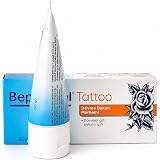
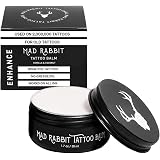
Ensuring your new tattoo heals perfectly is a critical step, and the choices you make for aftercare products play a significant role. Studies indicate that diligent tattoo aftercare can reduce the risk of infection by as much as 60% and significantly improve the long-term vibrancy and clarity of the artwork. The video above, “Tattoo balm vs Tattoo Lotion Test,” visually demonstrates some key aspects of these two popular aftercare choices. However, understanding the science and practical application behind each is essential for making an informed decision about your tattoo aftercare products.
Many individuals wonder whether a tattoo balm or a tattoo lotion is the superior choice for their fresh ink. The truth is, both have distinct advantages, and the optimal product often depends on the stage of healing, your skin type, and even the climate. This guide delves deeper into the world of tattoo aftercare, offering insights beyond the visual comparison to help you protect your investment and ensure a smooth healing journey.
The Essential Phases of Tattoo Healing
A tattoo is essentially an open wound, and its healing journey involves several stages, each with specific needs. Initially, the skin is inflamed and sensitive, requiring gentle care to prevent infection. Over the next few days and weeks, the tattoo will scab, peel, and itch as new skin regenerates beneath the surface. This entire process typically spans 2-4 weeks, but full epidermal healing can take several months.
During these crucial weeks, consistent moisture and protection are paramount. Lack of proper hydration can lead to excessive scabbing, cracking, and even color loss. Conversely, over-moisturizing can suffocate the tattoo, trapping bacteria and prolonging healing. Finding the right balance with appropriate tattoo moisturizer is key.
Initial Healing (Days 1-7): Protecting the Open Wound
Immediately after getting a tattoo, the skin is most vulnerable to bacteria and dehydration. Your tattoo artist will likely apply a protective bandage, which you’ll remove within a few hours to a few days, depending on the type. At this stage, the tattoo oozes plasma and excess ink, and gentle cleaning is essential. Dermatologists often advise a very thin layer of ointment to create a protective barrier while allowing the skin to breathe.
Flaking and Peeling (Weeks 1-3): Hydration for Regeneration
As the skin begins to regenerate, the top layers will start to flake and peel. This process is a normal part of healing, but it can be intensely itchy and uncomfortable. Consistent hydration helps to minimize dryness, reduce itching, and prevent large, thick scabs from forming. Experts suggest that consistent, light moisturizing during this phase can improve comfort and promote healthier skin regeneration.
Long-Term Care: Maintaining Vibrancy
Even after the tattoo appears fully healed, ongoing care helps maintain its vibrancy and protects the skin. Sun exposure is a primary enemy of tattoos, causing colors to fade and lines to blur. Daily moisturizing and sun protection become integral parts of a tattoo care routine.
Understanding Tattoo Lotions: Lightweight Hydration
Tattoo lotions are typically lighter in consistency than balms, absorbing quickly into the skin. They provide essential hydration without leaving a heavy residue, making them a popular choice for daily use, especially after the initial very raw healing phase. The primary function of a lotion is to moisturize, keeping the skin supple and preventing excessive dryness and itching.
Key Benefits of Tattoo Lotions:
- Breathability: Their lighter formula allows the skin to breathe, which is crucial for preventing moisture buildup and bacterial growth.
- Rapid Absorption: Lotions penetrate the skin quickly, leaving a non-greasy feel, ideal for those who prefer not to have a thick layer on their skin.
- Ease of Application: They spread easily over larger tattooed areas.
- Versatility: Suitable for daily moisturizing and long-term tattoo care once the initial healing is complete.
Ingredients to Look For in Tattoo Lotions:
- Fragrance-free and Hypoallergenic: Minimizes irritation, especially important for sensitive skin.
- Water-based Formulas: Often lighter and non-comedogenic.
- Vitamins E and B5: Support skin repair and hydration.
- Natural Ceramides: Help restore the skin’s natural barrier.
Ingredients to Avoid in Tattoo Lotions:
- Artificial Fragrances and Dyes: Can cause allergic reactions and irritation.
- Alcohol: Dries out the skin and can hinder healing.
- Petroleum Jelly (in large amounts): While some occlusives are good, too much can prevent the skin from breathing, especially on a fresh tattoo.
Understanding Tattoo Balms: Intensive Protection and Moisture
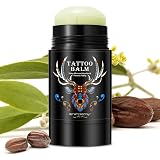
Tattoo balms are richer and thicker than lotions, formulated to provide intensive moisture and create a protective barrier over the skin. They typically contain a higher concentration of oils, butters, and waxes, which are excellent for soothing inflamed skin and locking in moisture for longer periods. Balms are particularly favored during the initial, more sensitive stages of new tattoo healing.
Key Benefits of Tattoo Balms:
- Intensive Moisture: Deeply hydrates the skin, crucial for preventing cracking and reducing itchiness during the peeling phase.
- Protective Barrier: Creates a semi-occlusive layer that shields the tattoo from environmental irritants and helps prevent moisture loss.
- Soothing Properties: Many balms contain ingredients known for their anti-inflammatory and soothing effects.
- Long-Lasting: Their thicker consistency means less frequent reapplication may be needed compared to lotions.
Ingredients to Look For in Tattoo Balms:
- Shea Butter or Cocoa Butter: Excellent emollients that provide deep hydration.
- Coconut Oil, Jojoba Oil, or Argan Oil: Natural oils that moisturize and offer skin-repairing benefits.
- Vitamin E: An antioxidant that aids in skin regeneration.
- Calendula or Chamomile Extract: Known for their anti-inflammatory and soothing properties.
Ingredients to Avoid in Tattoo Balms:
- Petroleum-based products (in excess): While some petroleum derivatives can be beneficial, an overly thick layer can suffocate a new tattoo. Choose balms designed specifically for tattoos.
- Lanolin: A common allergen for some individuals.
- Artificial Preservatives: Parabens and phthalates can sometimes cause sensitivity.
- Eucalyptus Oil or Menthol: Can be too irritating for compromised skin.
Tattoo Balm vs Tattoo Lotion: Making Your Choice in Practice
The “Tattoo balm vs Tattoo Lotion Test” often comes down to personal preference and the specific needs of your healing tattoo. Many tattoo artists recommend starting with a very thin layer of a gentle, unscented ointment (often balm-like in consistency) for the first few days. This helps to protect the fresh wound and prevent excessive drying.
As the tattoo moves into the peeling and flaking phase, the choice becomes more nuanced. Roughly 70% of tattoo enthusiasts find that a balm provides superior relief from intense itching and dryness during this period due to its richer, more emollient properties. It effectively locks in moisture, helping the skin remain supple. However, it’s vital to apply balms very sparingly to avoid clogging pores or oversaturating the tattoo.
For daily use, particularly after the initial intense healing (around 2-3 weeks post-tattoo), many switch to a lighter tattoo lotion. Lotions are perfect for keeping the skin hydrated without feeling heavy, making them ideal for long-term maintenance. They are also excellent for larger tattoos where a thick balm might feel cumbersome or cause excessive sweating. The key is always to apply a thin, even layer, gently massaging it until absorbed.
Consider your skin type too. If you have naturally oily skin, a lighter lotion might be preferable to a thick balm, even during earlier healing stages, to prevent breakouts. Conversely, very dry skin types often benefit immensely from the intense hydration a balm provides.
Beyond Balm and Lotion: Holistic Tattoo Aftercare Tips
While choosing between a tattoo balm vs tattoo lotion is important, it’s only one piece of the comprehensive aftercare puzzle. A holistic approach ensures the best possible outcome for your new artwork:
- Gentle Cleaning: Wash your tattoo 2-3 times a day with a mild, fragrance-free antibacterial soap and lukewarm water. Gently pat dry with a clean paper towel, not a cloth towel, which can harbor bacteria.
- Avoid Soaking: Refrain from swimming, baths, or prolonged showers for at least 2-3 weeks. Submerging your tattoo can introduce bacteria and damage the healing process. Quick showers are fine.
- Sun Protection is Non-Negotiable: Direct sunlight can fade your tattoo quickly and severely, especially during healing. Keep new tattoos covered with loose clothing or stay in the shade. Once healed, consistently use a broad-spectrum SPF 30+ sunscreen specifically designed for tattoos or sensitive skin.
- Wear Loose Clothing: Tight clothing can rub and irritate a new tattoo, potentially leading to scabbing and color loss. Opt for breathable, loose-fitting garments made from natural fibers.
- Stay Hydrated Internally: Drinking plenty of water helps keep your skin healthy and promotes faster healing from the inside out. Roughly 75% of skin health is attributed to internal hydration.
- Resist Picking and Scratching: Itching is a normal part of healing, but picking at scabs or scratching can pull out ink, cause infection, and lead to scarring. Apply your moisturizer to soothe the itch.
- Listen to Your Artist: Your tattoo artist’s instructions are paramount. They know how their ink and techniques interact with skin. Always follow their specific advice on products and timelines.
Ultimately, the debate of tattoo balm vs tattoo lotion isn’t about one being inherently better; it’s about choosing the right tool for the right job at the right time. Your tattoo’s journey through healing requires adaptation in its care. By understanding the properties of each and combining them with diligent hygiene and protection, you empower your skin to heal beautifully. This meticulous attention to detail ensures your tattoo not only heals well but also maintains its stunning appearance for many years to come.
From Test to Tattoo: Your Aftercare Questions Answered
Why is taking care of a new tattoo important?
Proper aftercare significantly reduces the risk of infection by up to 60% and helps ensure your tattoo’s long-term vibrancy and clarity.
What is the main difference between a tattoo balm and a tattoo lotion?
Tattoo balms are thicker and create a protective barrier with intensive moisture, while tattoo lotions are lighter, absorb quickly, and offer everyday hydration.
When should I use a tattoo balm versus a tattoo lotion?
A balm is often recommended for the initial sensitive healing stages due to its intensive moisture and protection. A lighter lotion is great for daily use and long-term care after the initial intense healing is complete.
How should I clean my new tattoo?
You should gently wash your tattoo 2-3 times a day with a mild, fragrance-free antibacterial soap and lukewarm water. Always pat it dry gently with a clean paper towel afterwards.